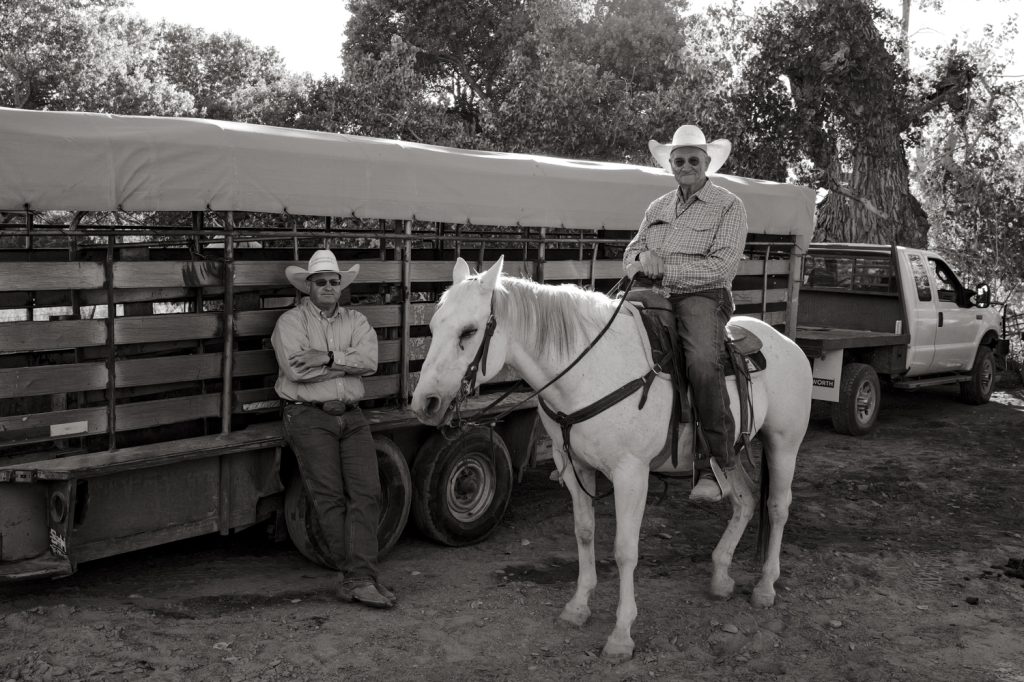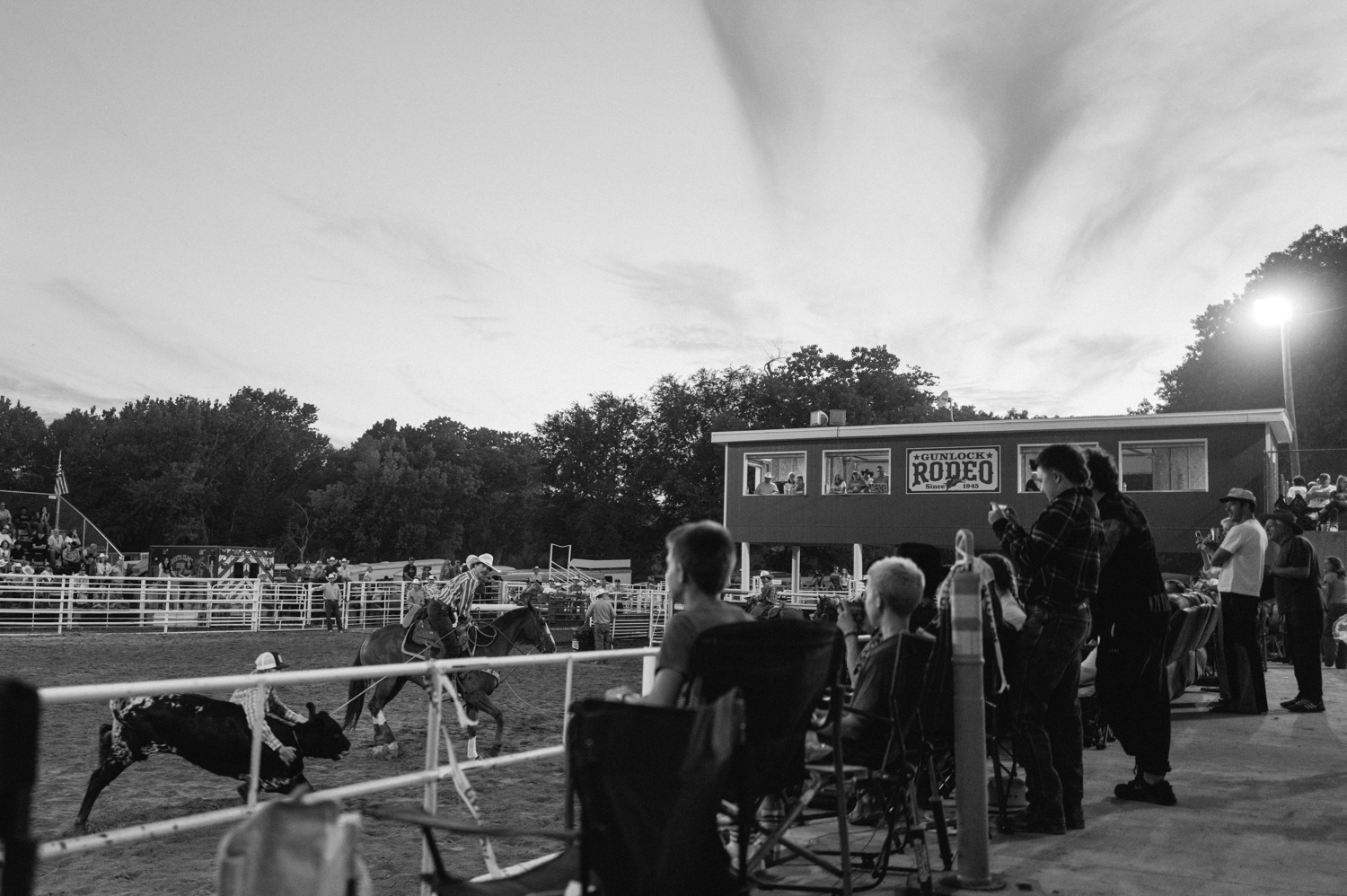
I’ve driven past the Gunlock Rodeo Arena several times over the years, always wondering when an actual rodeo took place. So when I saw the event announced on social media, I made it a point to finally visit. I’m glad I did—it was absolutely worth the trip.

Before heading out, I reached out to the organizers to ask if they were okay with an outsider photographing the event. Rodeos are close-knit communities, and many have photographers they’ve worked with for years. Some photographers also rely on image sales, so it’s understandable that they may not want someone else giving photos away. Since my goal wasn’t to sell images but simply to document the event, I felt it was only courteous to ask first. The organizers were incredibly welcoming and happily gave me the thumbs-up.

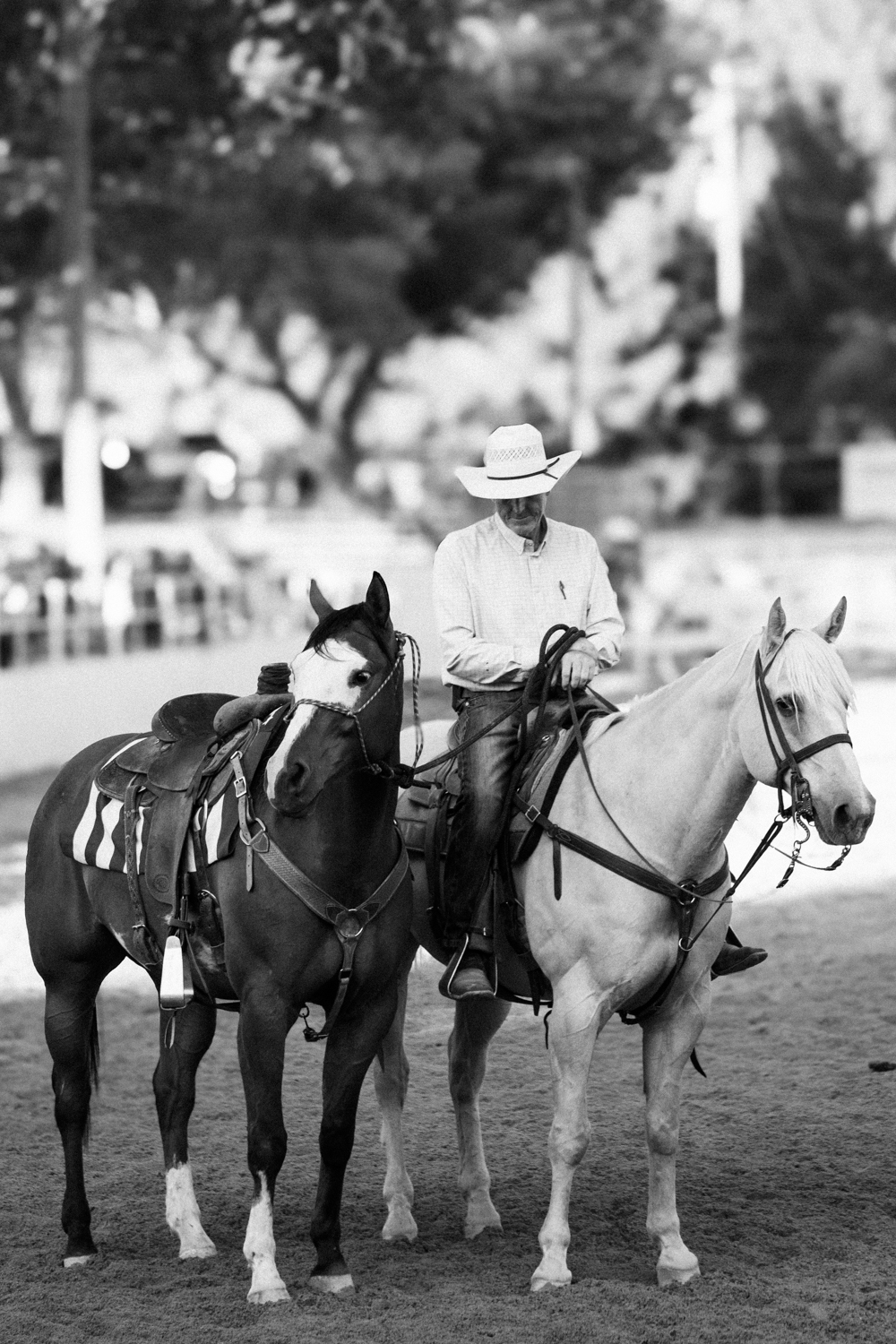
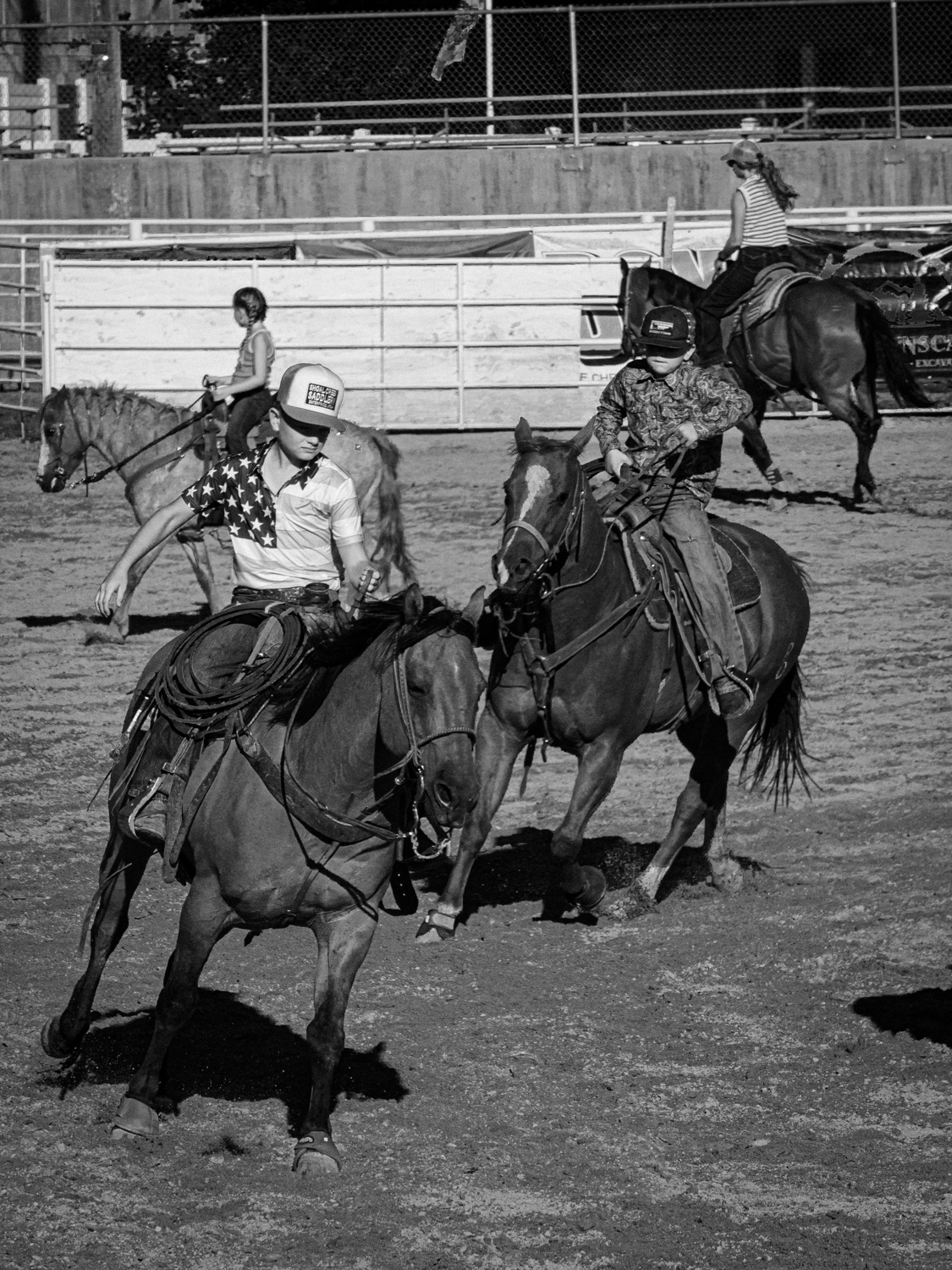
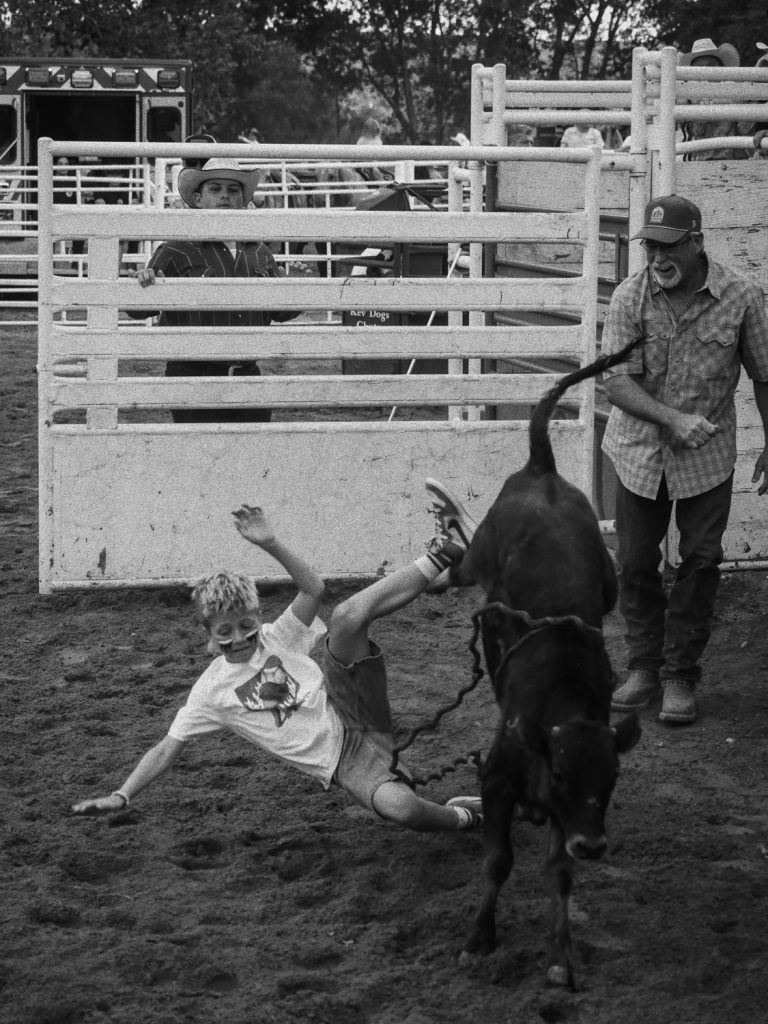
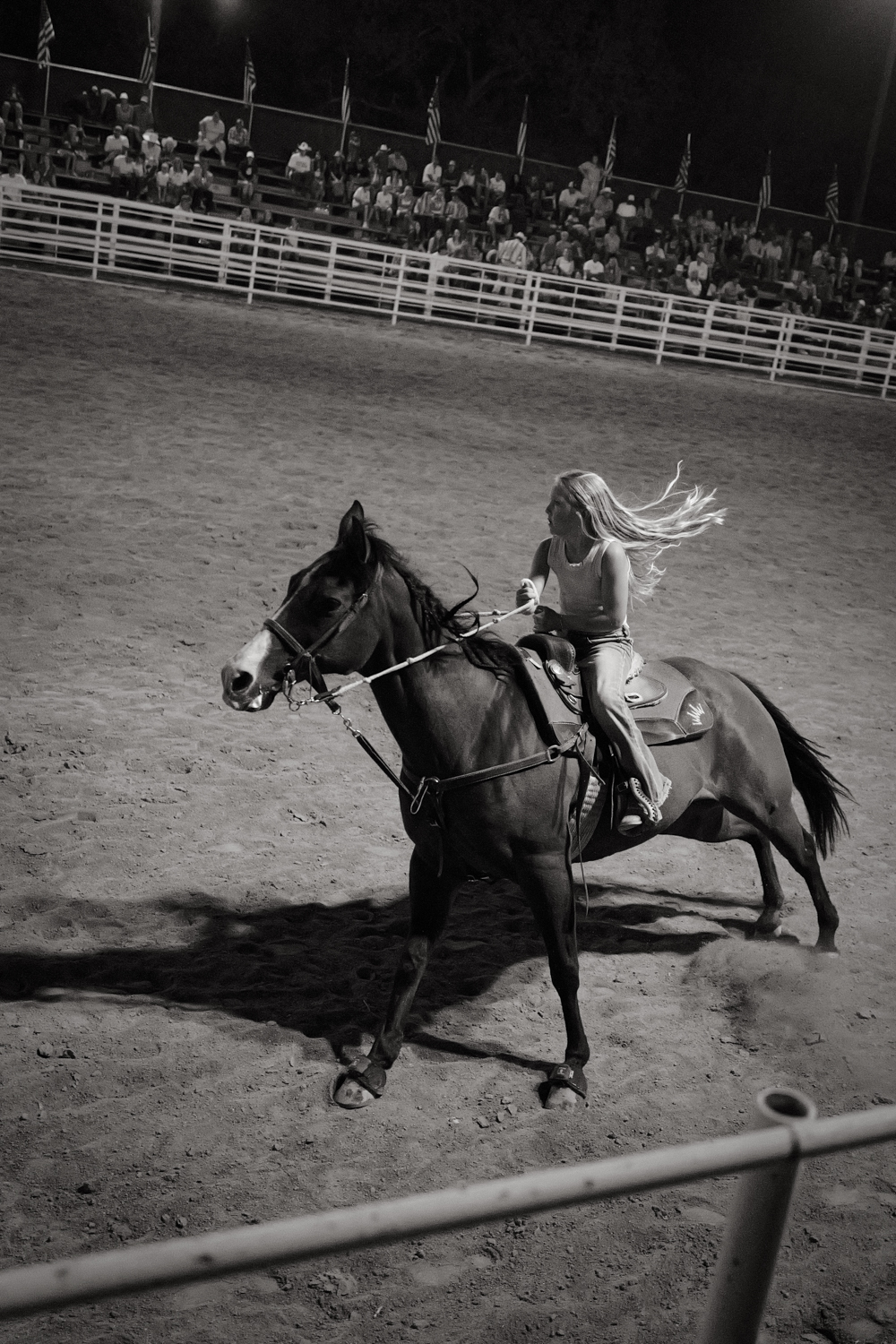
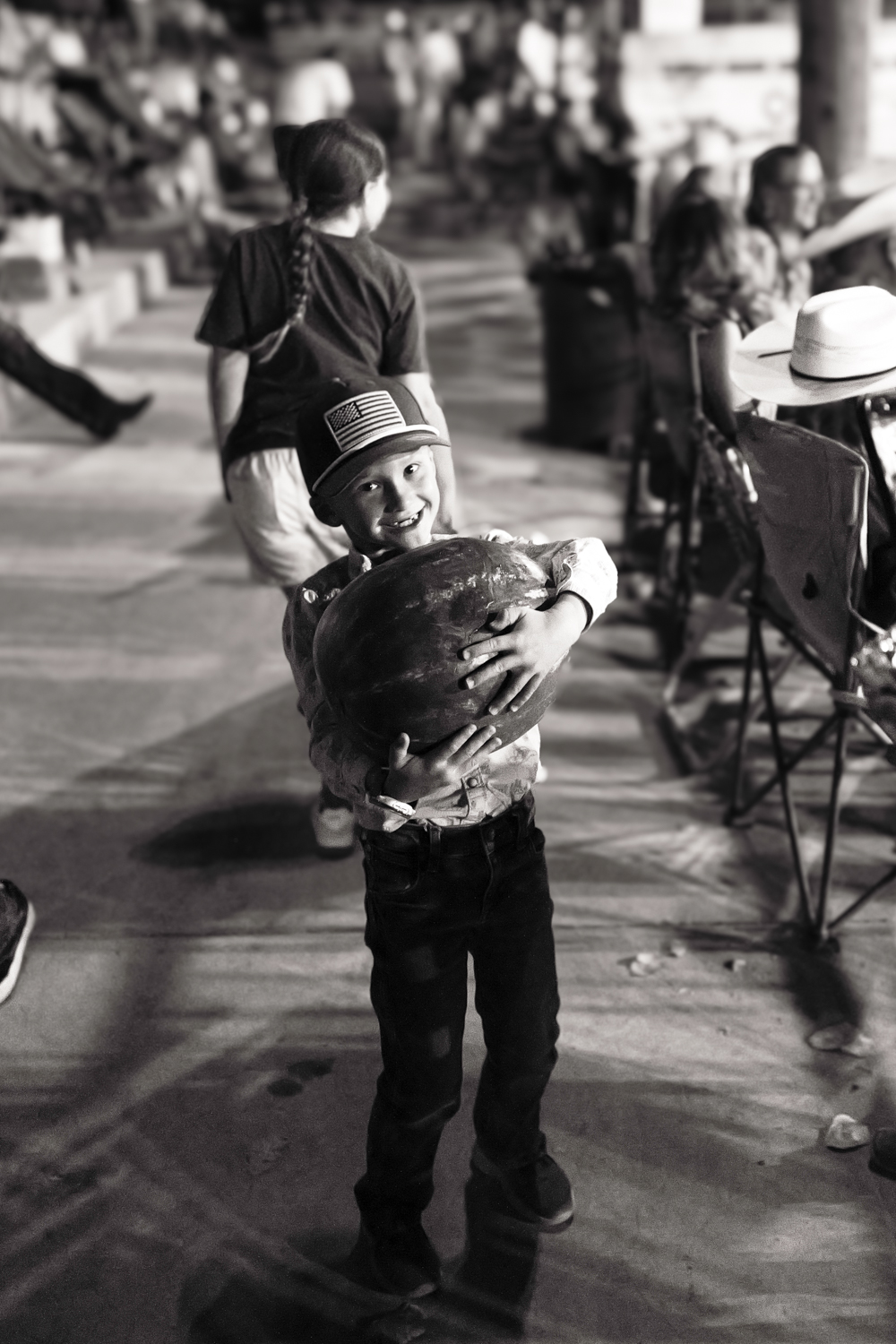
My friend Bjorn and I arrived about an hour before the July 4th rodeo began. This year’s Independence Day was especially significant as America celebrated its 250th anniversary. Across the country there were fireworks, parades, and celebrations, while I found myself in a tiny town of roughly 100 people experiencing something that felt quintessentially American—the rodeo.
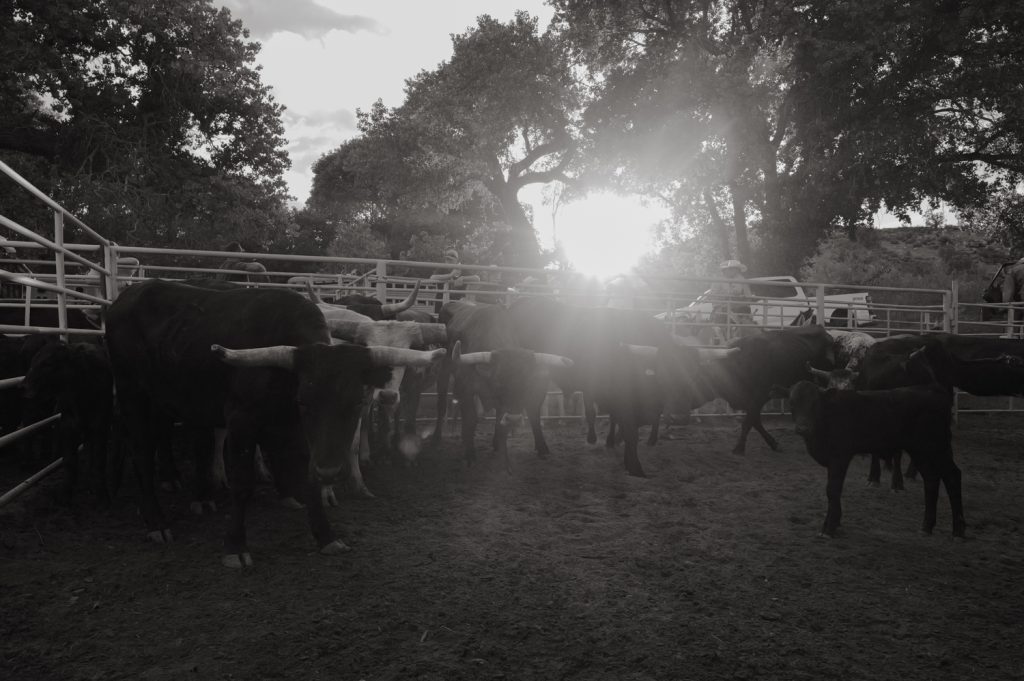
The first thing that struck me wasn’t the action in the arena, but the people. I instantly fell in love with the rodeo culture and the atmosphere of small-town America. There was a genuine warmth to everyone I met—a shared sense of respect, faith, community, and hospitality that can sometimes feel harder to find in larger cities. Everywhere I turned, I was greeted with smiles, handshakes, and friendly conversation.
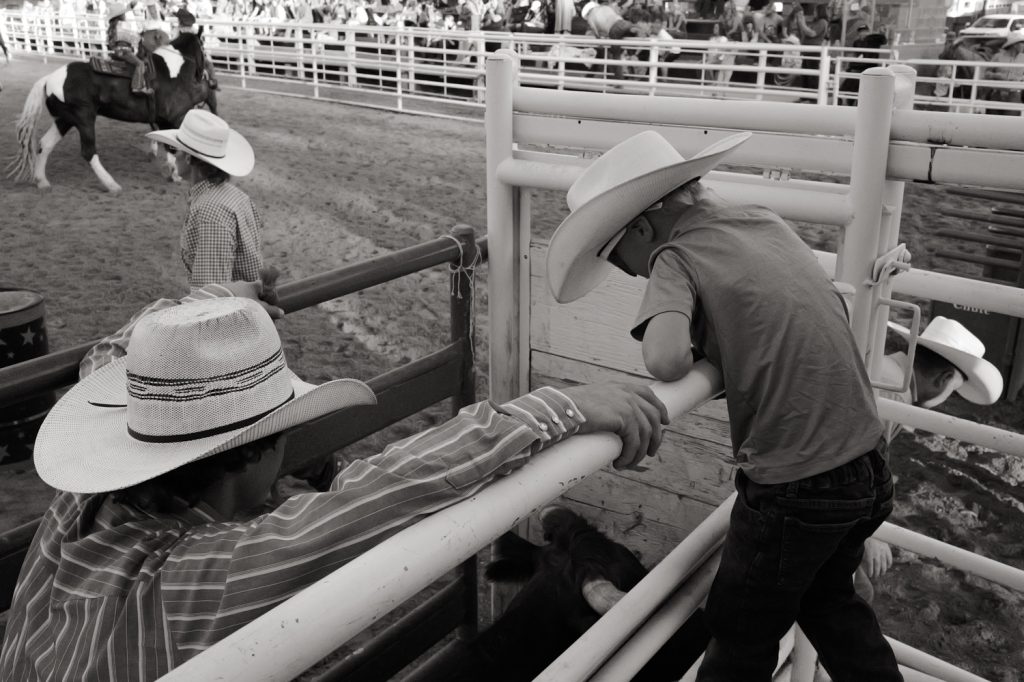
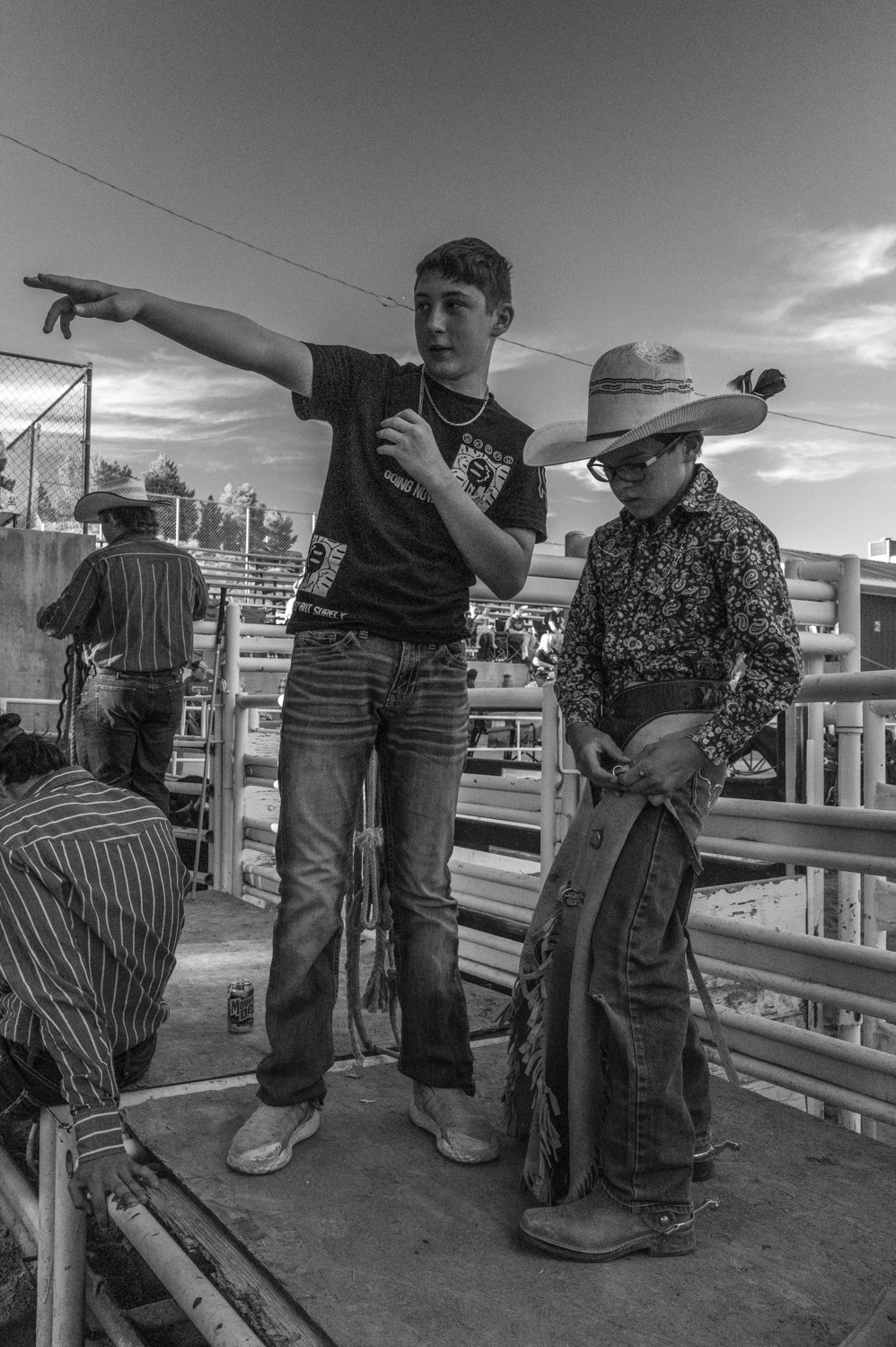
After dropping off my wife and son at the bleachers, where they met up with friends, I immediately started wandering the grounds. Those quiet moments before the event are often my favorite to photograph. Cowboys saddling horses, families catching up, volunteers making last-minute preparations, children running around—it was a beautiful kind of organized chaos and a photographer’s dream.
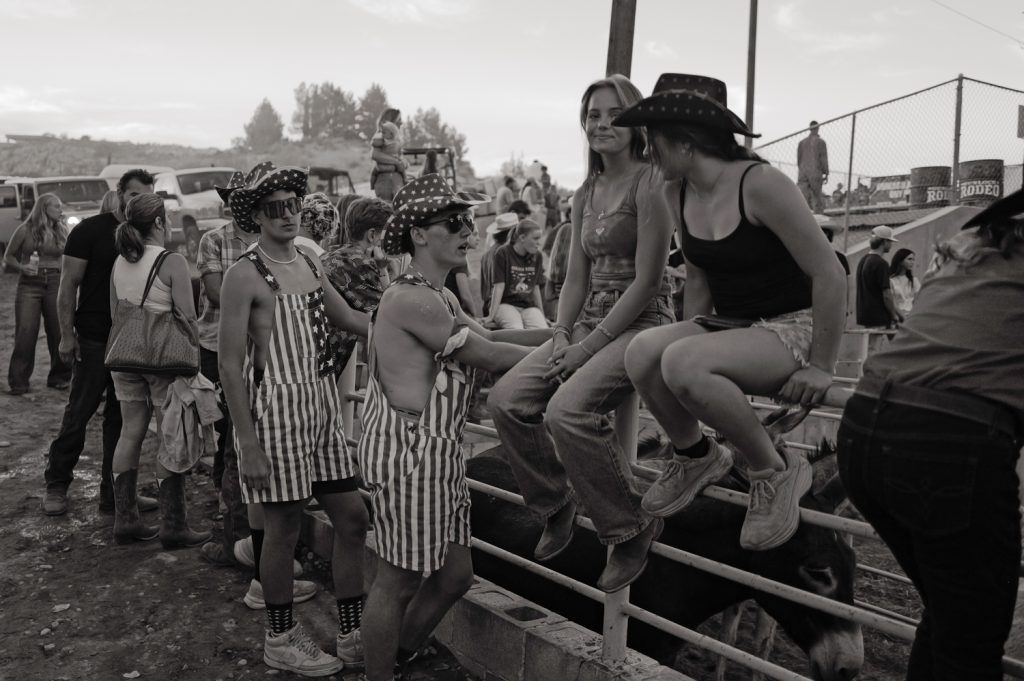
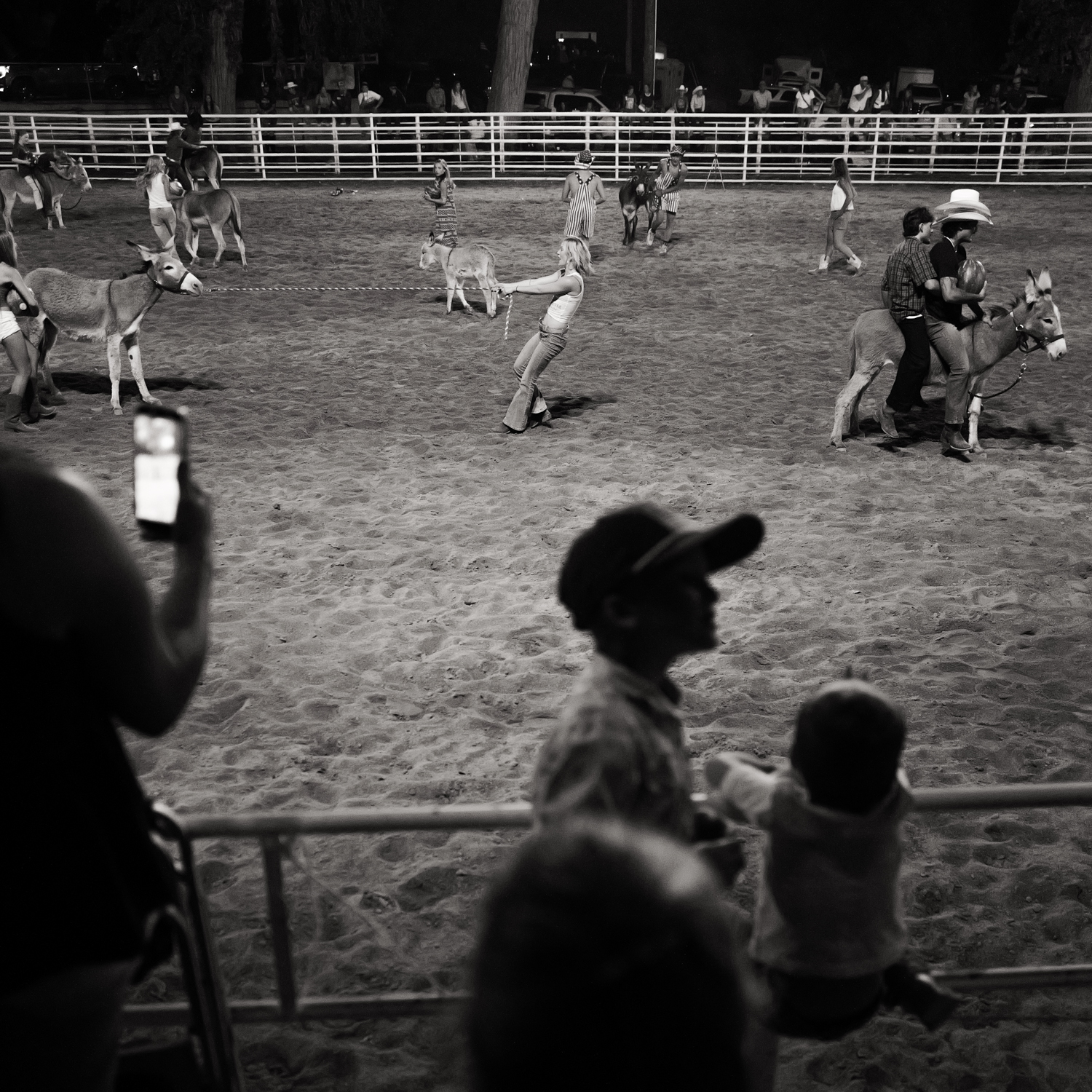
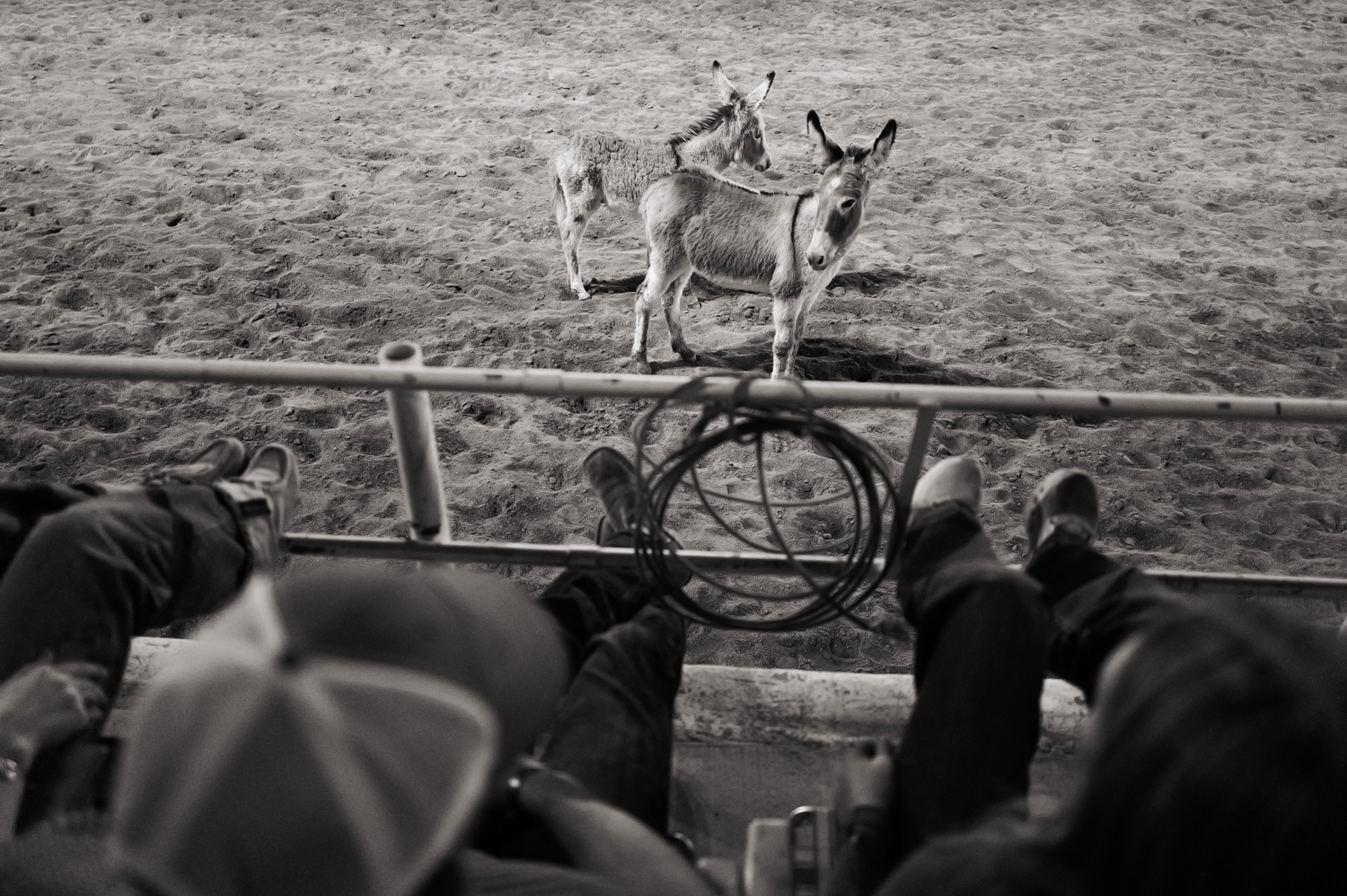
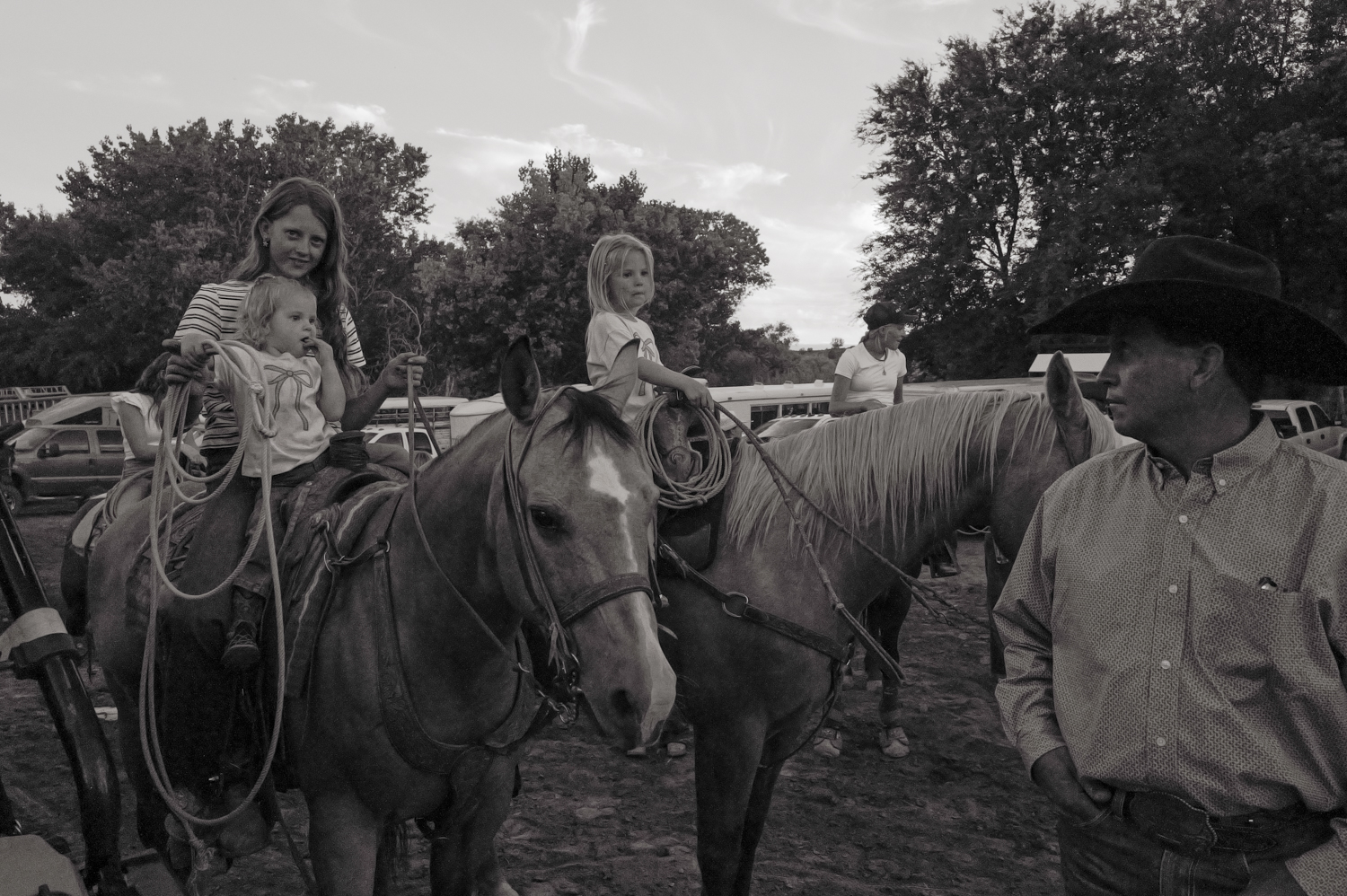
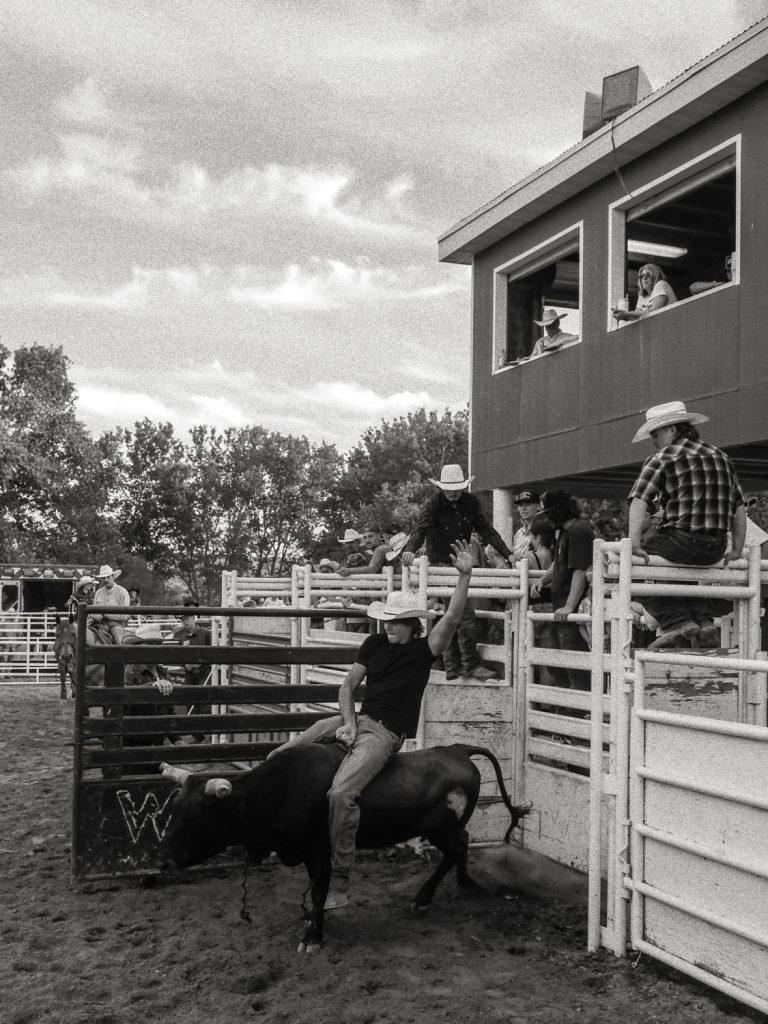
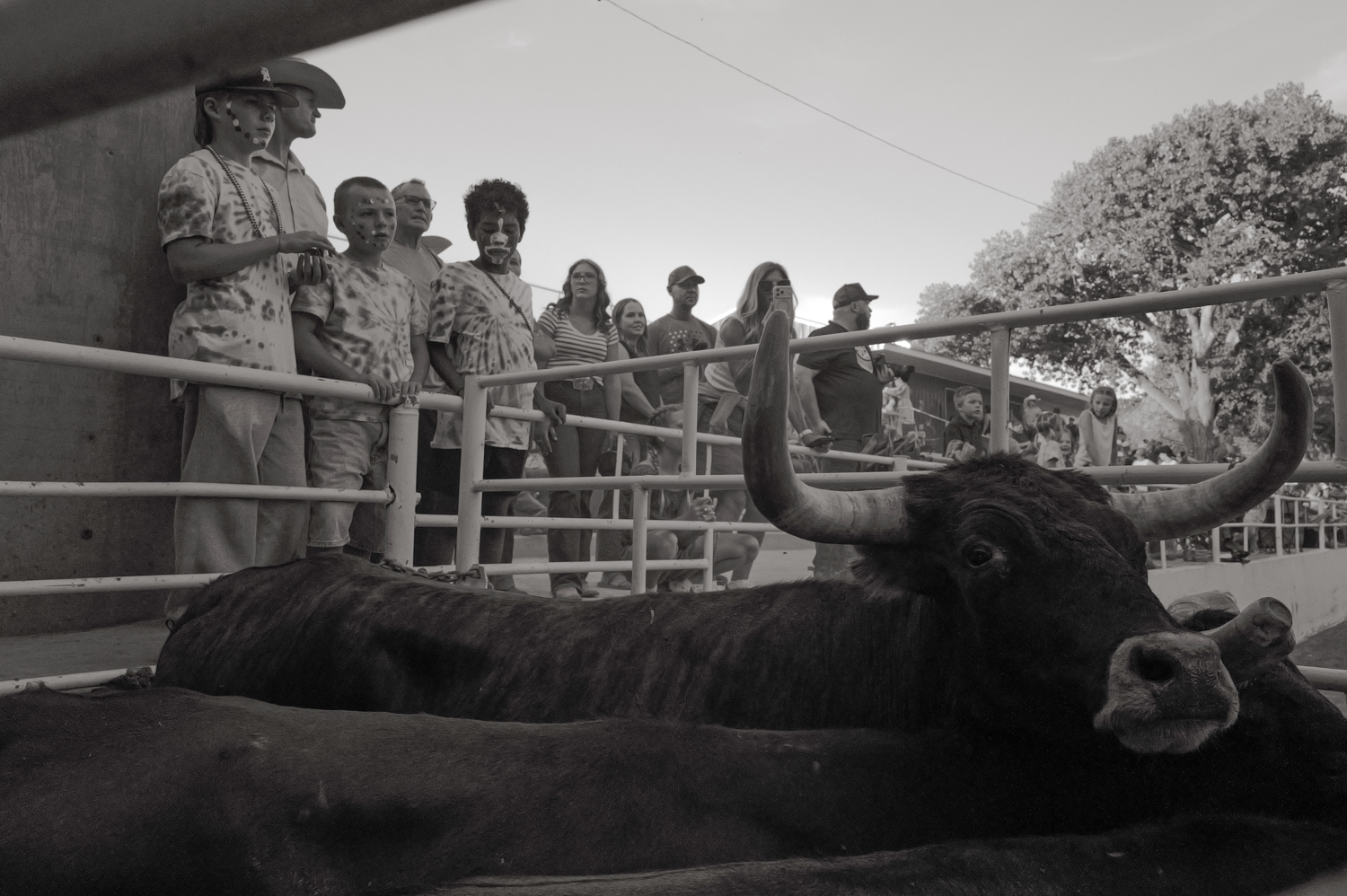
I was fortunate enough to spend some time near the chutes, capturing the anticipation before the riders entered the arena. The space was tight, and I didn’t want to get in anyone’s way, so after a while I stepped back and continued documenting the atmosphere around the grounds before the evening light disappeared.
The Gear
For this trip I carried two cameras:
- Leica Q3
- OM SYSTEM OM-3 with the 12-40mm f/2.8 and 40-150mm f/2.8
The OM-3 paired with the 40-150mm was a bit heavier than I would have liked for walking around all evening. During daylight it performed beautifully, but once the arena lights took over, autofocus became less reliable. I ended up relying more on prefocusing, which worked reasonably well but inevitably resulted in a few softer frames than I would have preferred.
The Leica Q3 was exactly what I expected it to be. It excelled at environmental and storytelling images, producing gorgeous files with plenty of detail. I shot much of the evening using the Greg Williams Black & White profile, whose subtle warm tone gave many of the images an almost timeless quality.
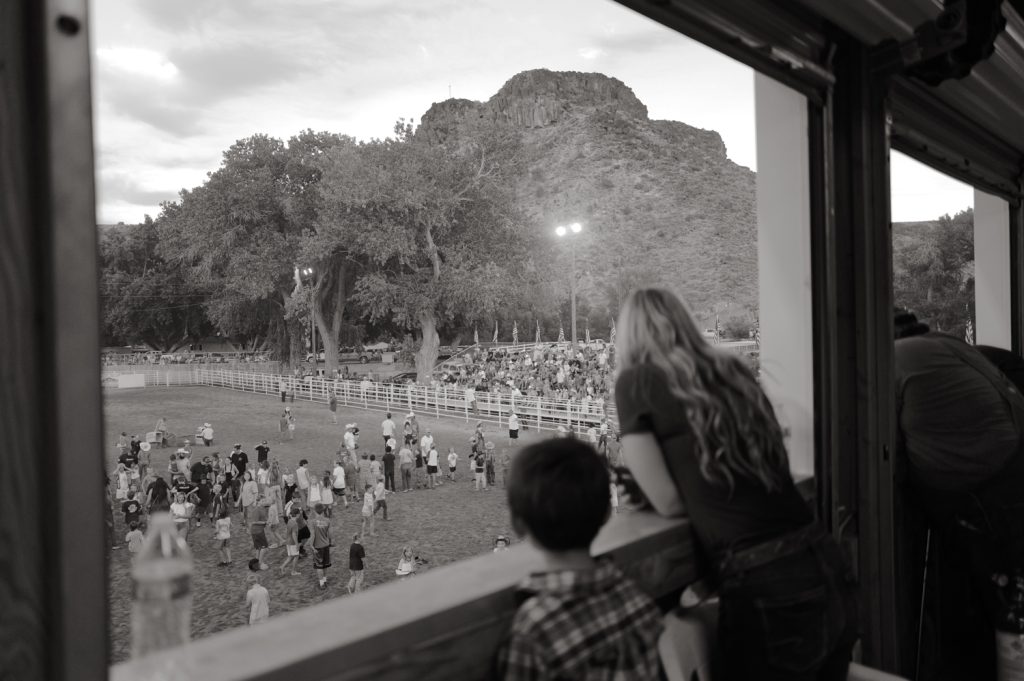
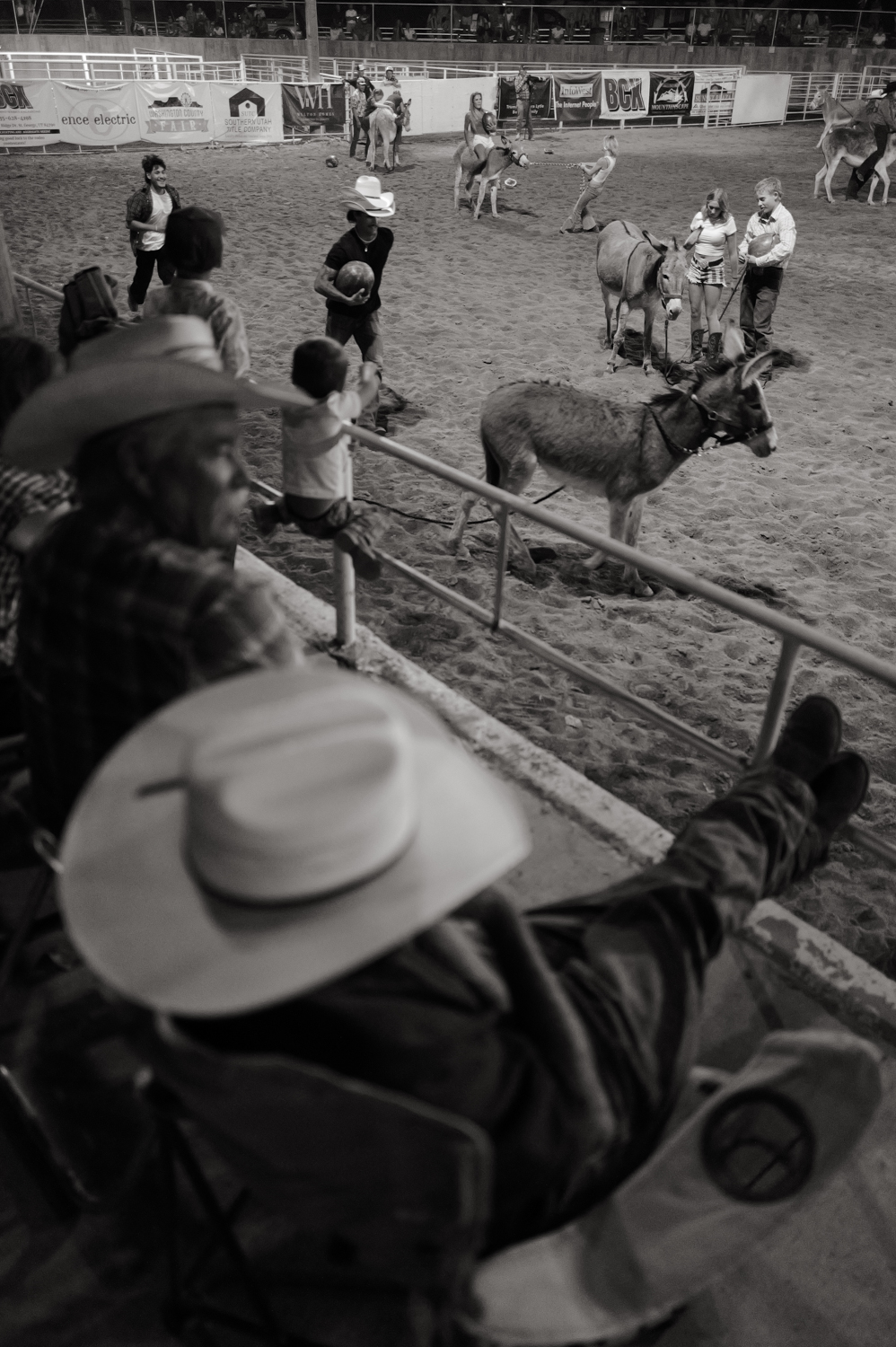
Bjorn photographed with his Nikon Zf, starting with the NIKKOR Z 24-120mm f/4 before switching to a 40mm f/2 once darkness fell. The full-frame files looked fantastic under the arena lights, especially in black and white.
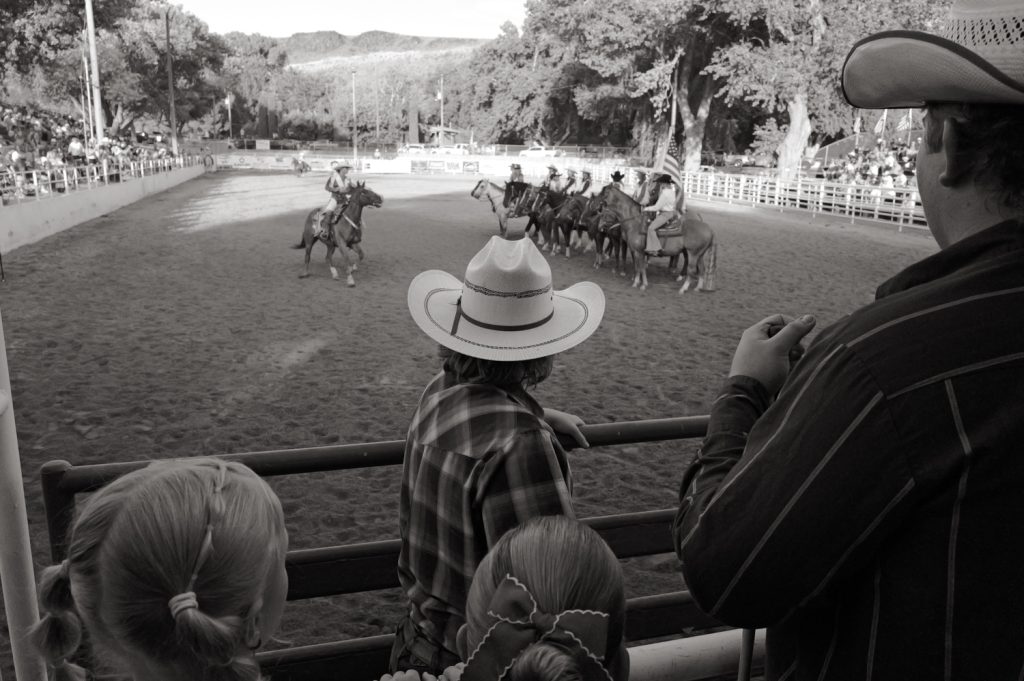
Looking Back
The evening flew by. One moment I was photographing the preparations behind the chutes, and the next the final event had already finished. That’s usually a good sign—it means you were completely immersed in the experience.
More than anything, I came away appreciating the people. Everyone I met was welcoming, generous with their time, and proud of their community. It reminded me that photography isn’t just about documenting events—it’s about preserving cultures, traditions, and moments that deserve to be remembered.
I’d happily return to Gunlock and would love to photograph more rodeos in the future. It was time well spent, a little dust on my boots, and a memory I’ll carry with me for a long time.