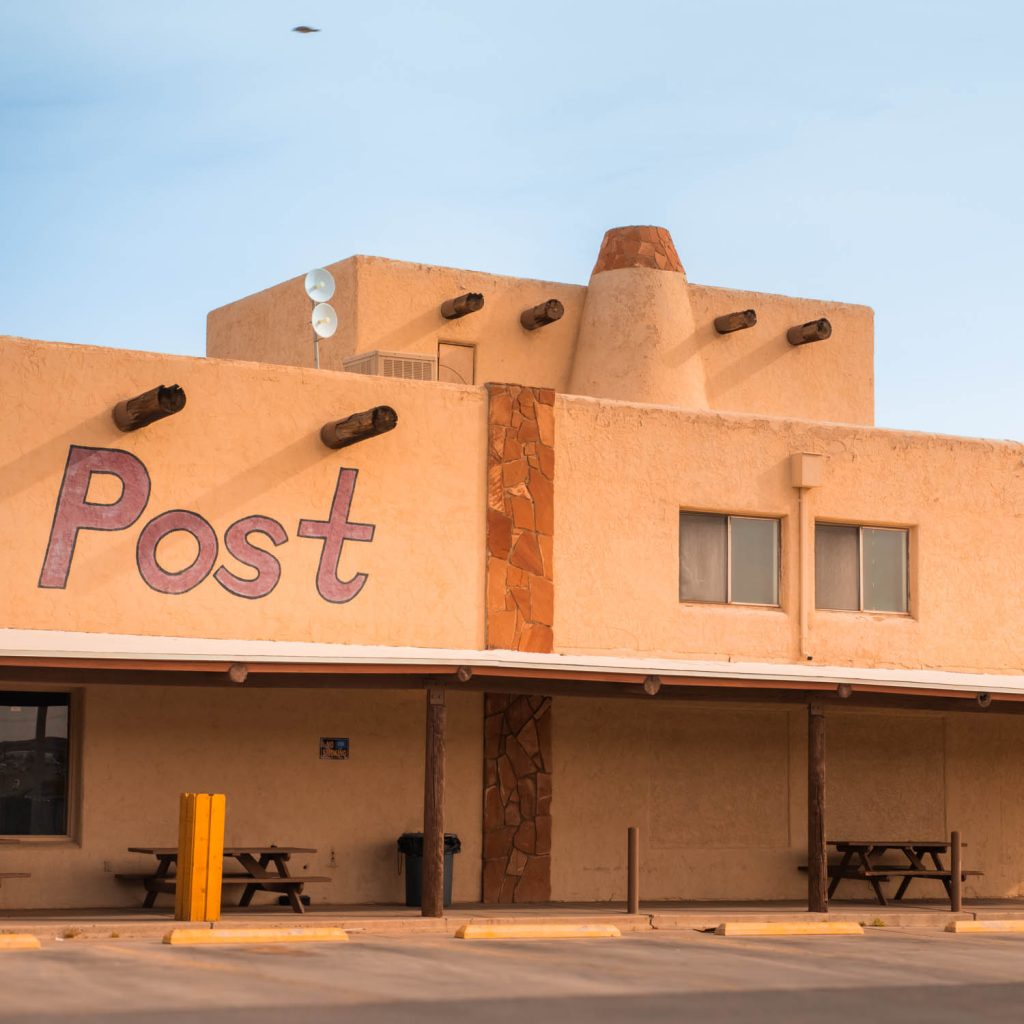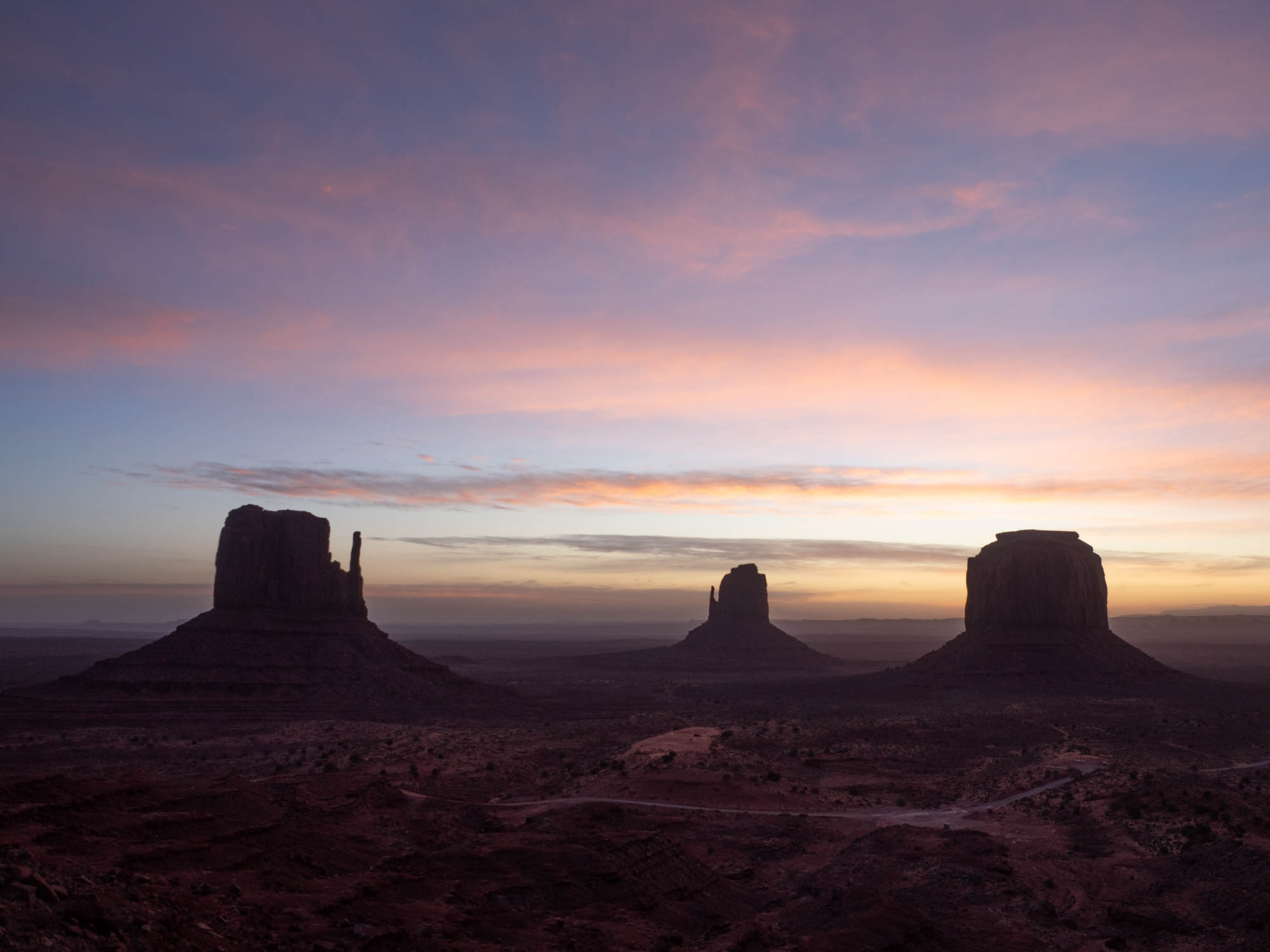
When people say Monument Valley is one of the most magical places on Earth, they’re not exaggerating. No matter how many photos exist—and there are millions—this landscape refuses to be fully captured. Like all of Mother Nature’s masterpieces, Monument Valley is something you have to stand in, breathe in, and feel beneath your feet to truly understand.
A Brief History of Monument Valley
Monument Valley sits within the Navajo Nation and has been home to the Diné (Navajo people) for centuries. The valley’s towering sandstone formations were shaped over tens of millions of years, as layers of sediment were compressed, uplifted, and gradually carved away by wind and water.
The region remained relatively isolated until the 1930s, when Hollywood discovered its dramatic red mesas. Director John Ford filmed several iconic Westerns here—Stagecoach, The Searchers, and others—cementing Monument Valley as the visual shorthand for the American West.
Today, Monument Valley is still a living cultural landscape. Many Navajo families reside within the valley, and the area is co-managed with the Navajo Nation to preserve its stories, beauty, and traditions.
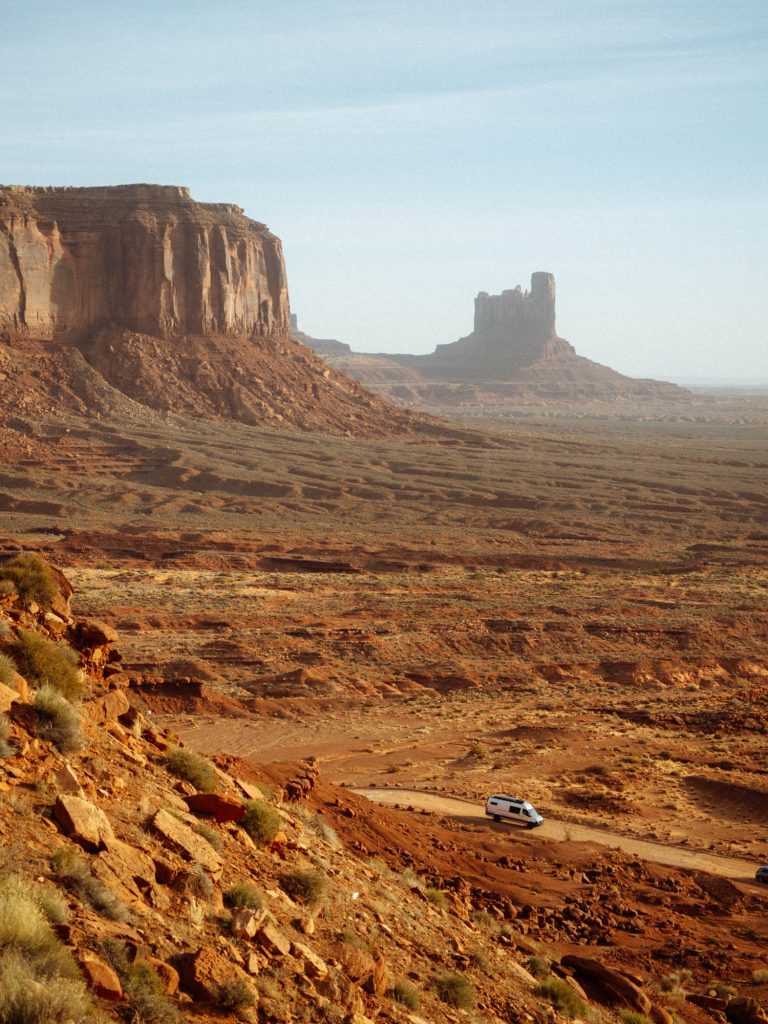
Planning the Trip — and Landing the Impossible Reservation
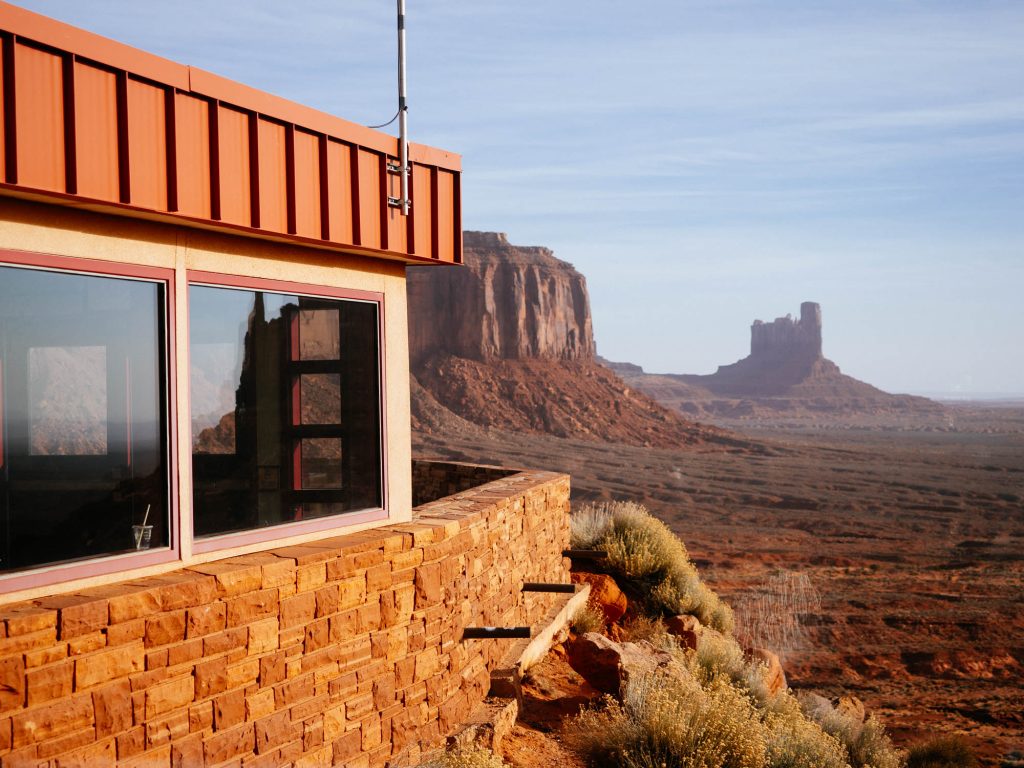
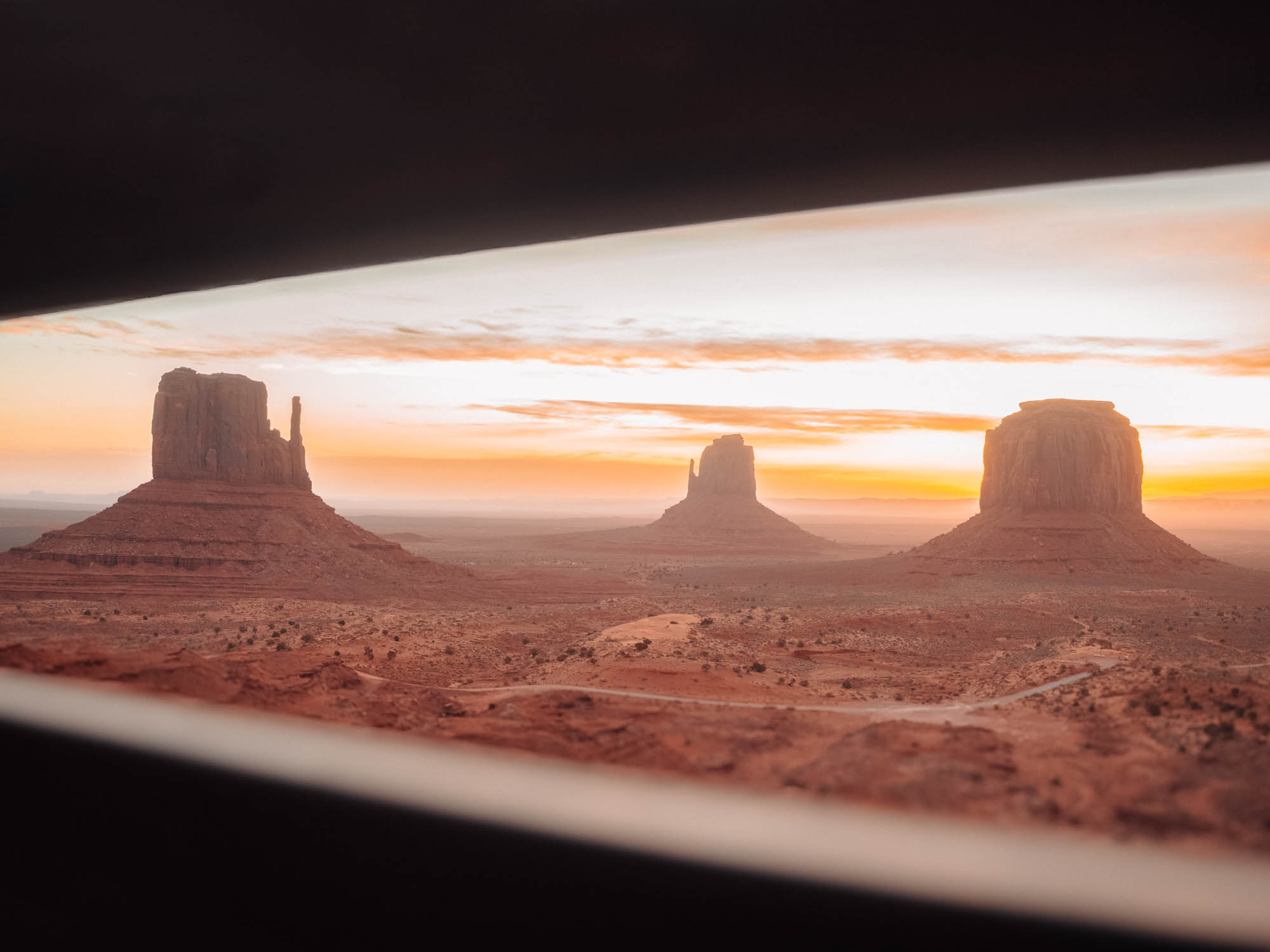
I first thought about visiting Monument Valley years ago after hearing about The View Hotel, the only hotel inside the park. Every room includes a private balcony that faces the iconic trio: West Mitten Butte, East Mitten Butte, and Merrick Butte.
Getting a room usually requires planning months ahead. By pure luck, I checked during a rare cancellation and locked in a three-day stay.
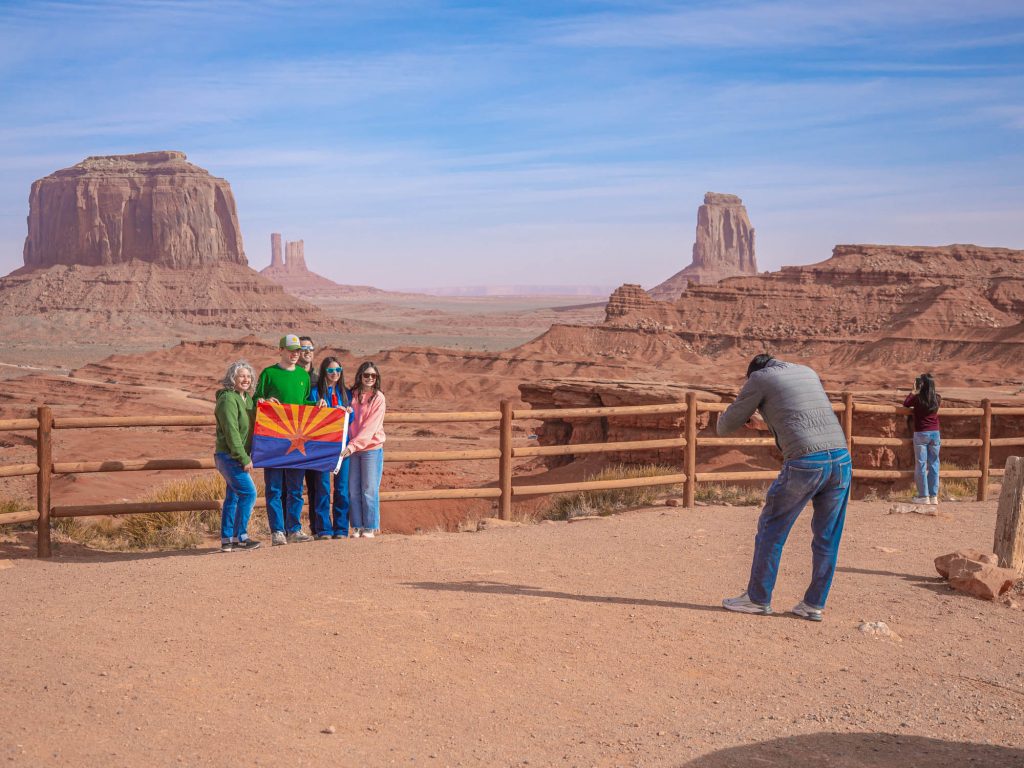
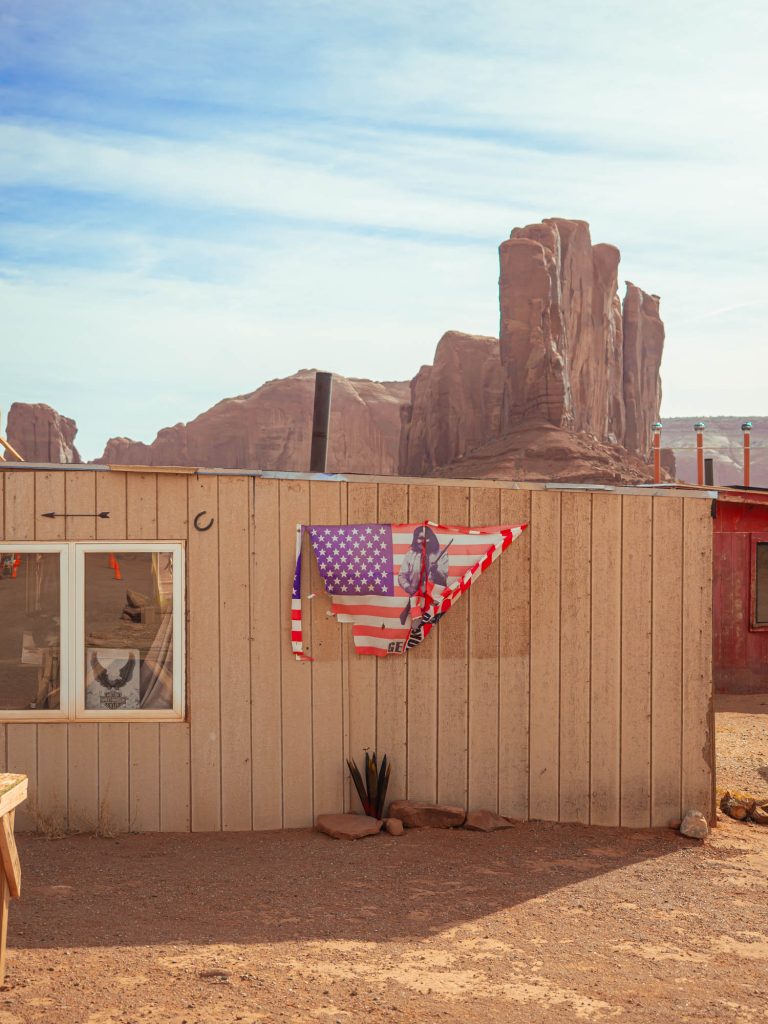
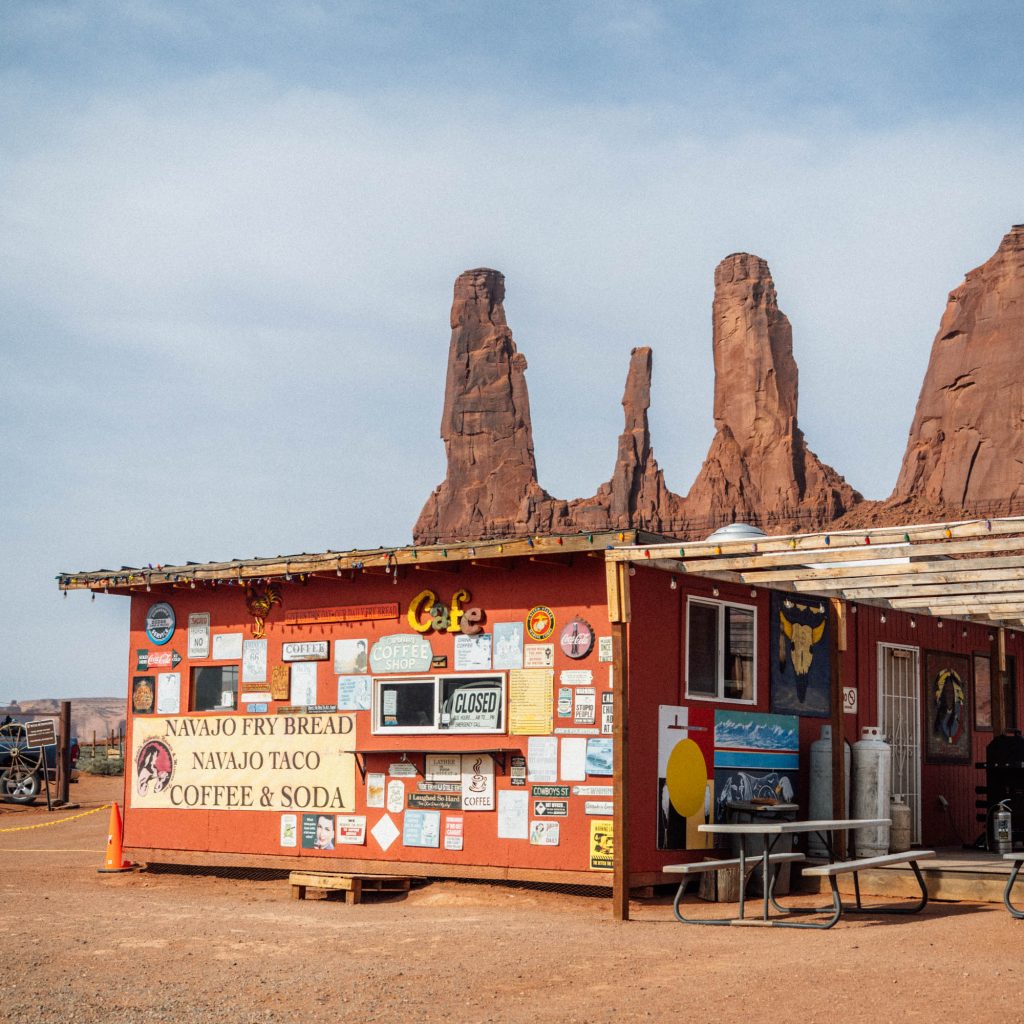
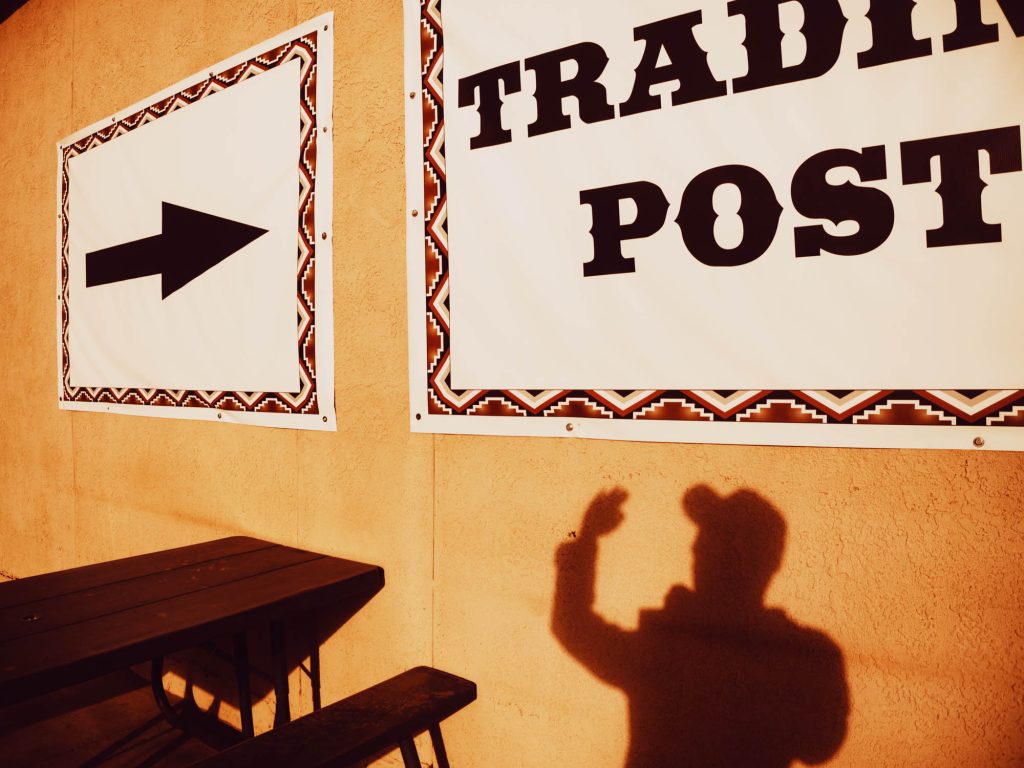
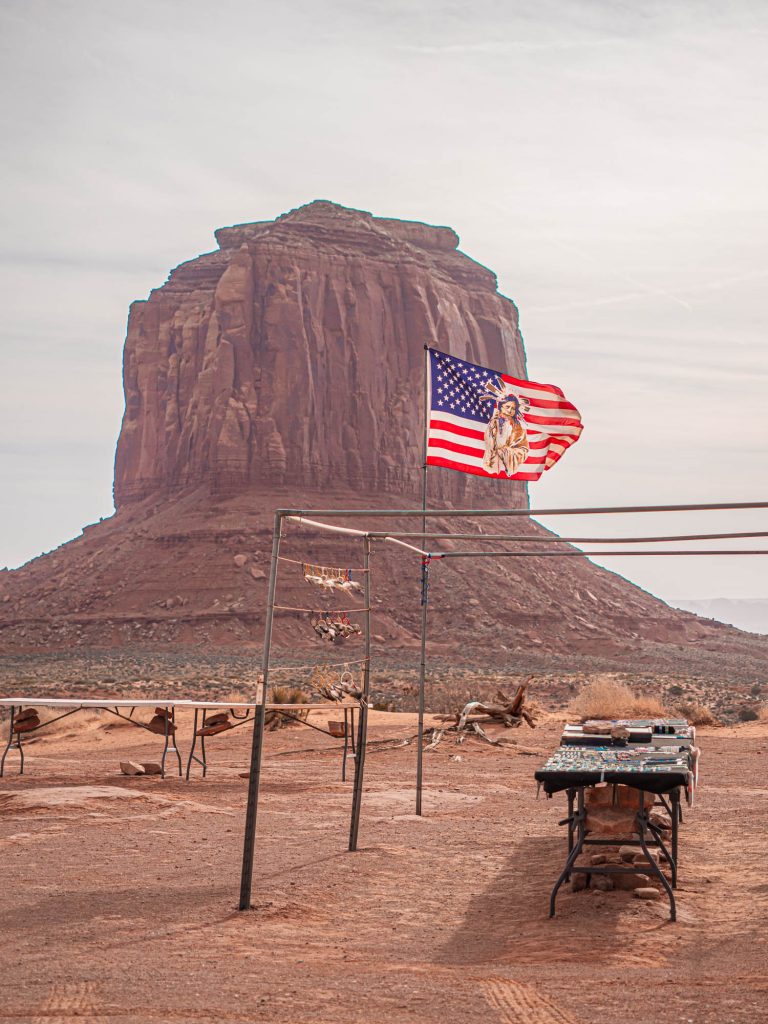
The Road to the Valley
Our photography trip began in Las Vegas at 5 AM, with stops along the way:
- Seligman, AZ (Route 66 stops)
- Flagstaff, AZ for a look at San Francisco Peaks
- Wupatki National Monument
- And finally, Monument Valley
We arrived around 6:30 PM Utah time—right at golden hour—only to be greeted by 35–40 mph red dust gusts. Not ideal for comfort, but undeniably dramatic.
The Gear I Brought
For this trip, I brought:
- OM SYSTEM OM-3
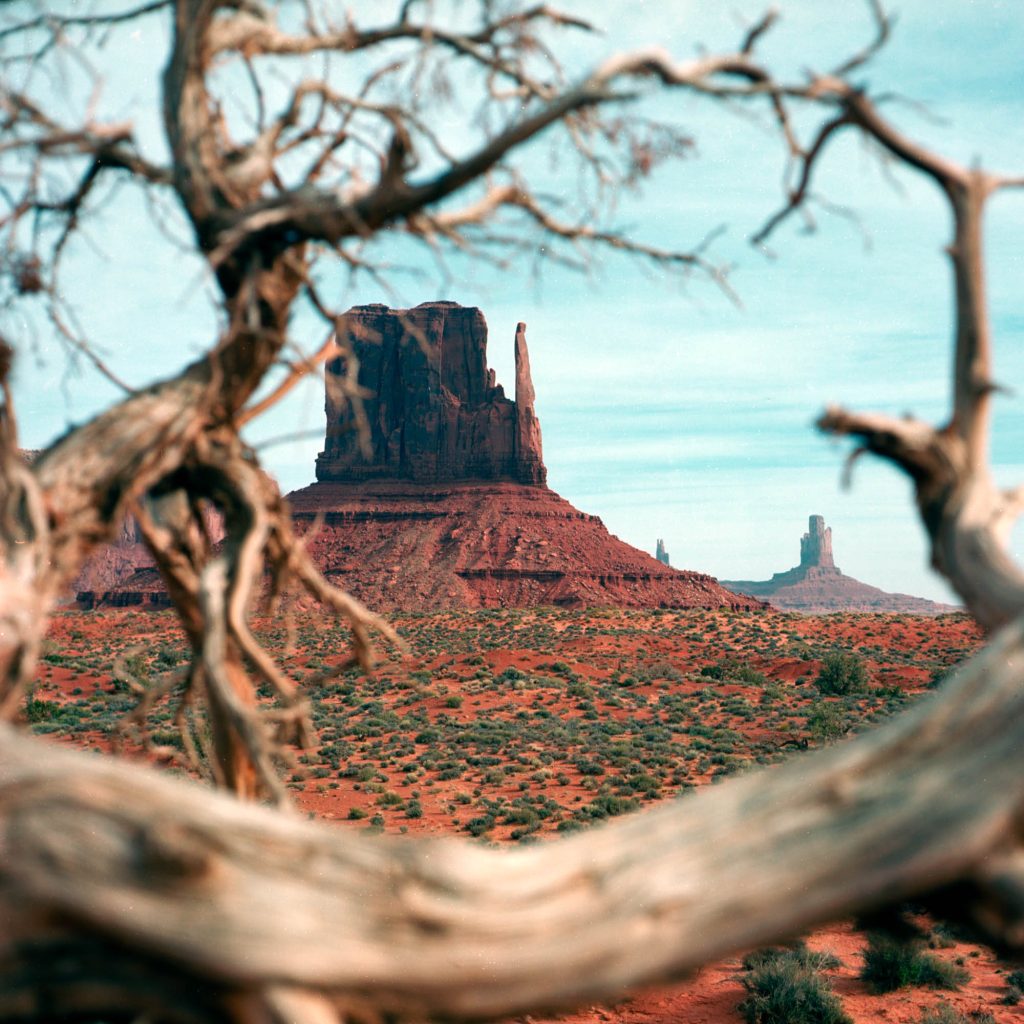
- KOWA Six (6×6 medium format)
- Kodak Gold 200 and Ektar 100 film
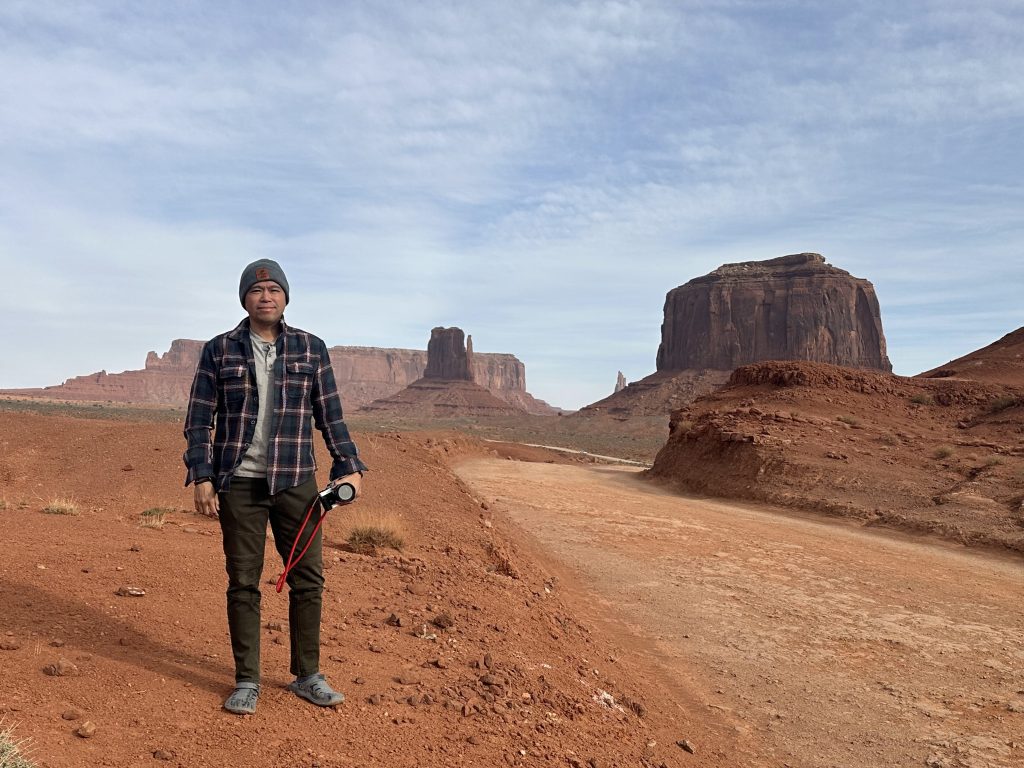
The wild red dust ended up giving me the most intense skies of the entire trip. Ironically, the next few calm days felt visually flatter, proving that unpredictable conditions sometimes bring the best images.
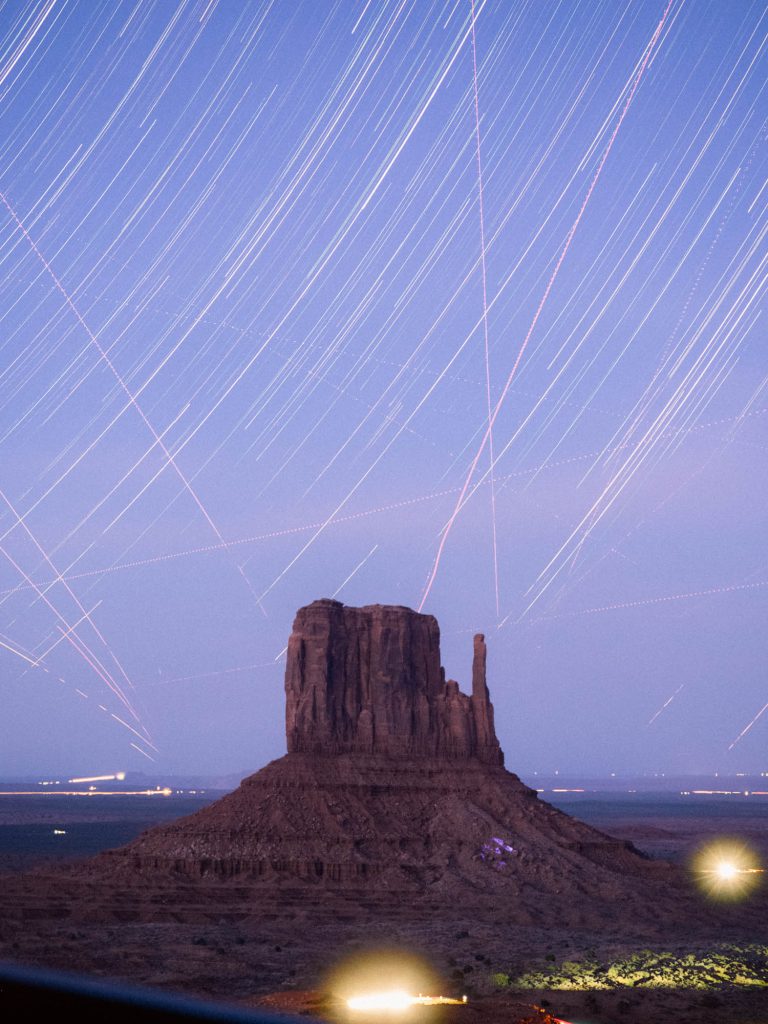
I also shot my first star trail, a 3.5-hour exposure—far from perfect but a huge learning moment.
Everything Takes Longer Here
One thing about Monument Valley: everything is far. Distances are deceiving, and if you’re stopping for photos (which you always will), you’ll want more time than you think. If you visit, space out your schedule and let the landscape dictate your pace.
Exploring the Park
Since I couldn’t secure an official guided tour, I used a GPS-based audio guide app. Surprisingly solid plan B—good narration, good timing, and great for solo exploring. Still, next time I’d love to try horseback riding through the valley.
Meeting Fellow Photographers
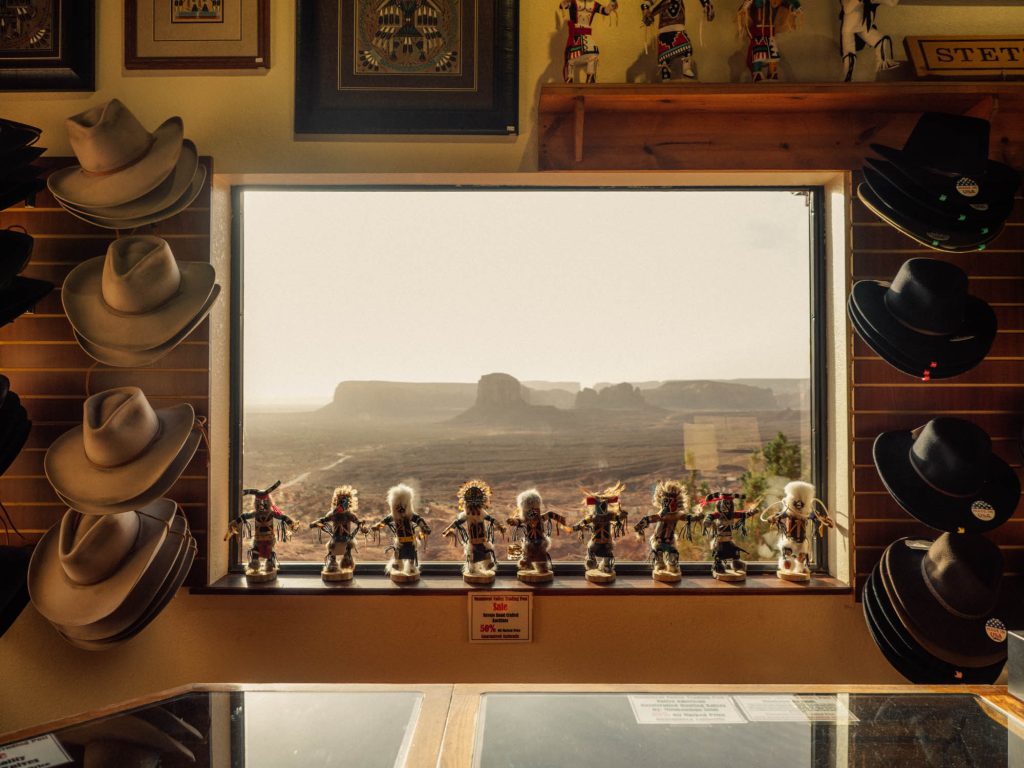
At The View’s gift shop, I met two photographers from Colorado—Jason and Dustin—both shooting medium format film. They were using the windows to frame the buttes in clever ways, and their work is phenomenal. Follow them here:
Jason later posted he shot 30 rolls of film on this trip. I shot five. My wallet is grateful.
Side Trips and Final Stops
We explored several nearby spots:
- Goosenecks State Park
- Mexican Hat Rock
- Forrest Gump Point
- Random roadside gems
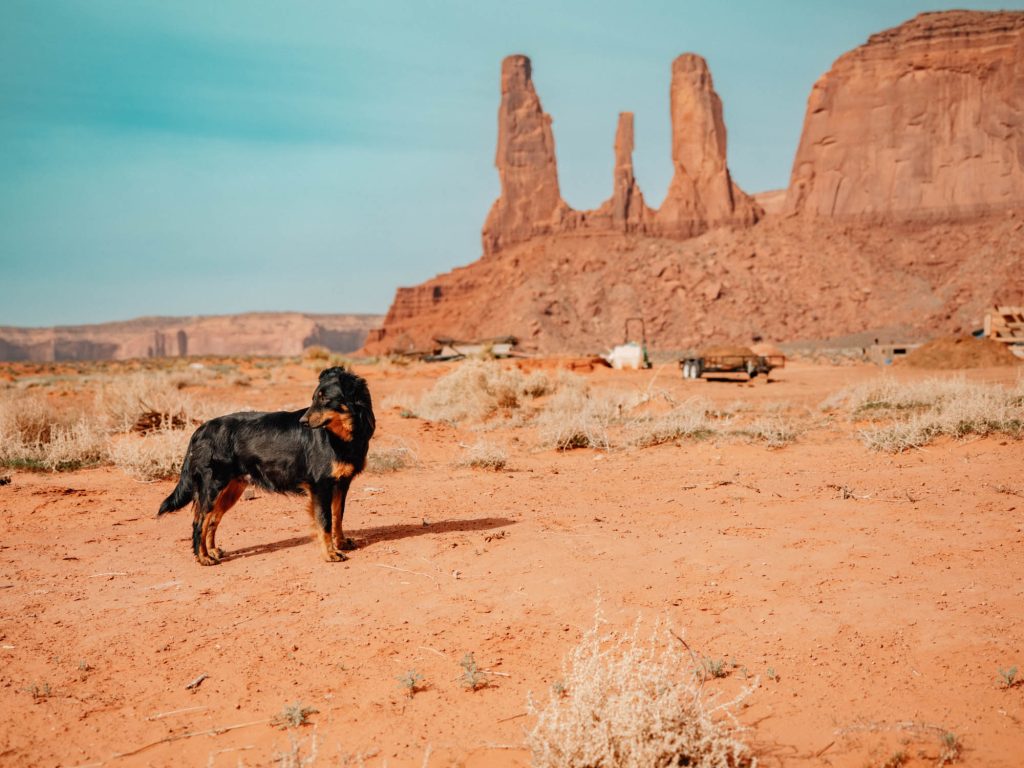
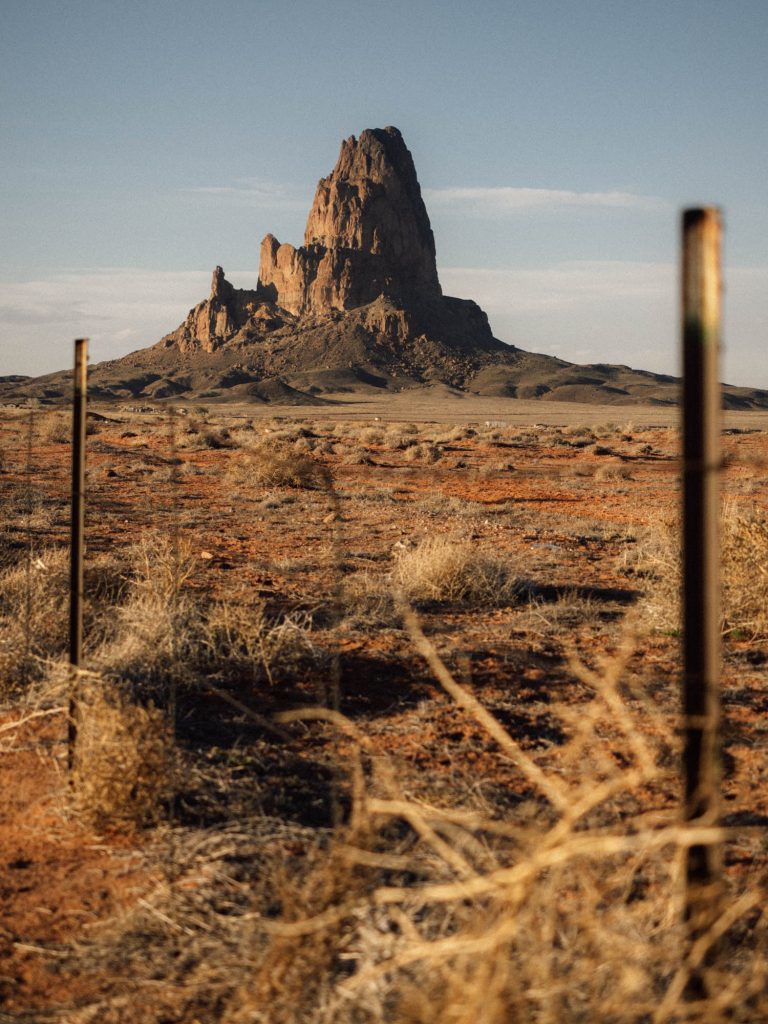
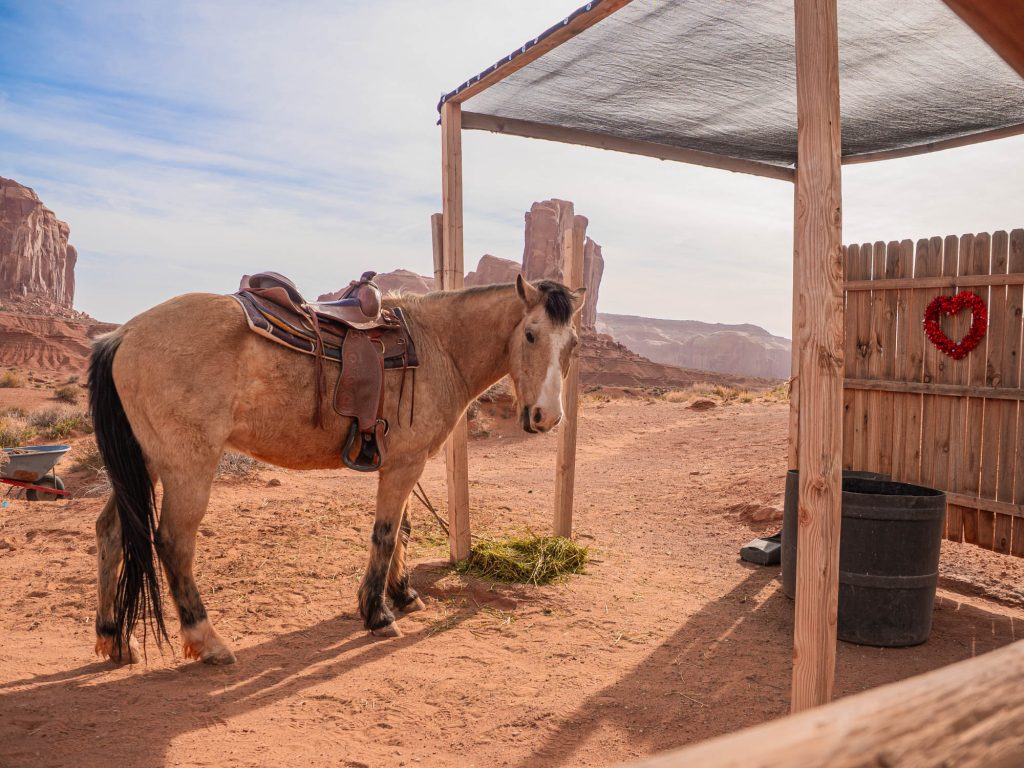
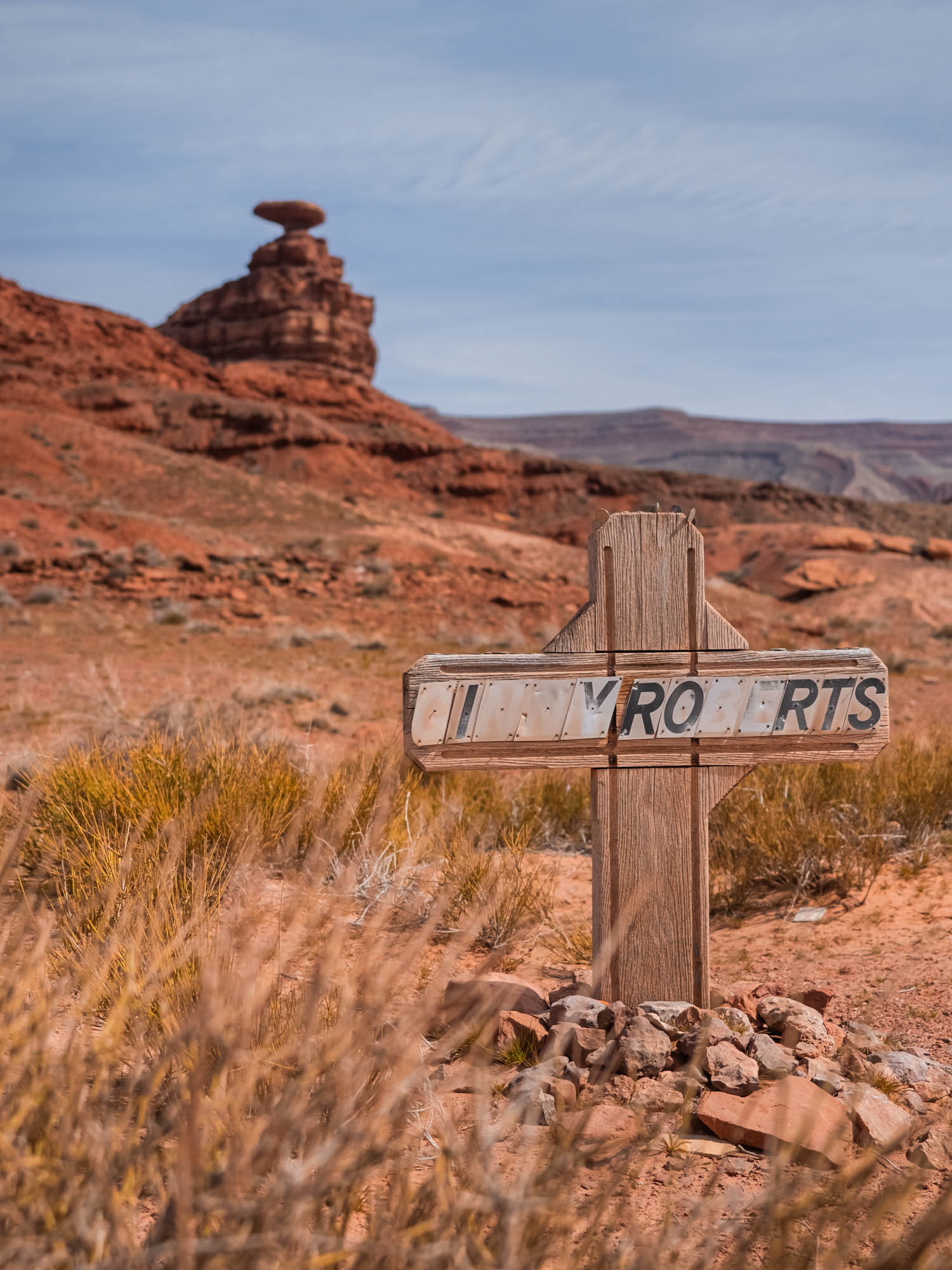
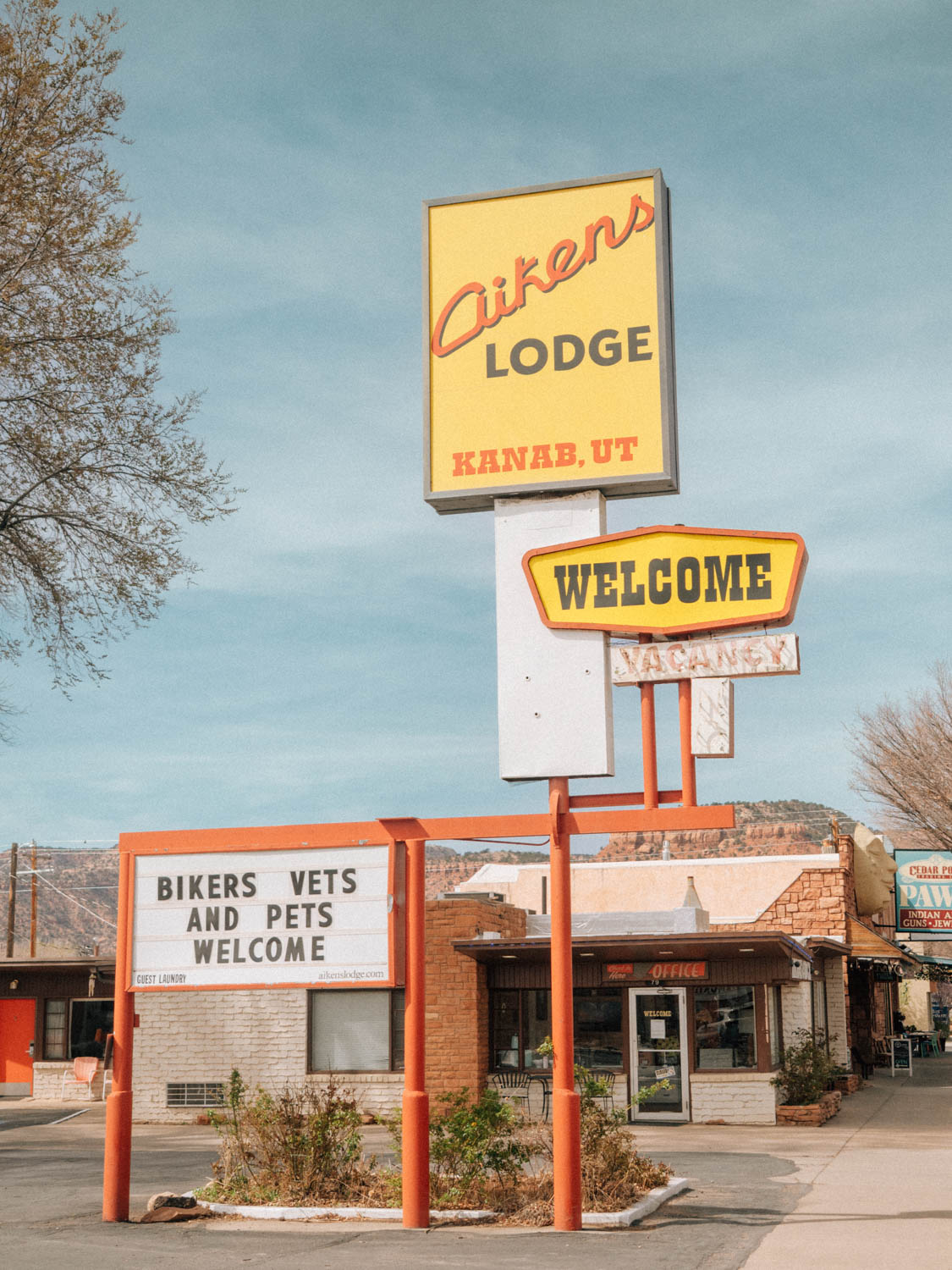
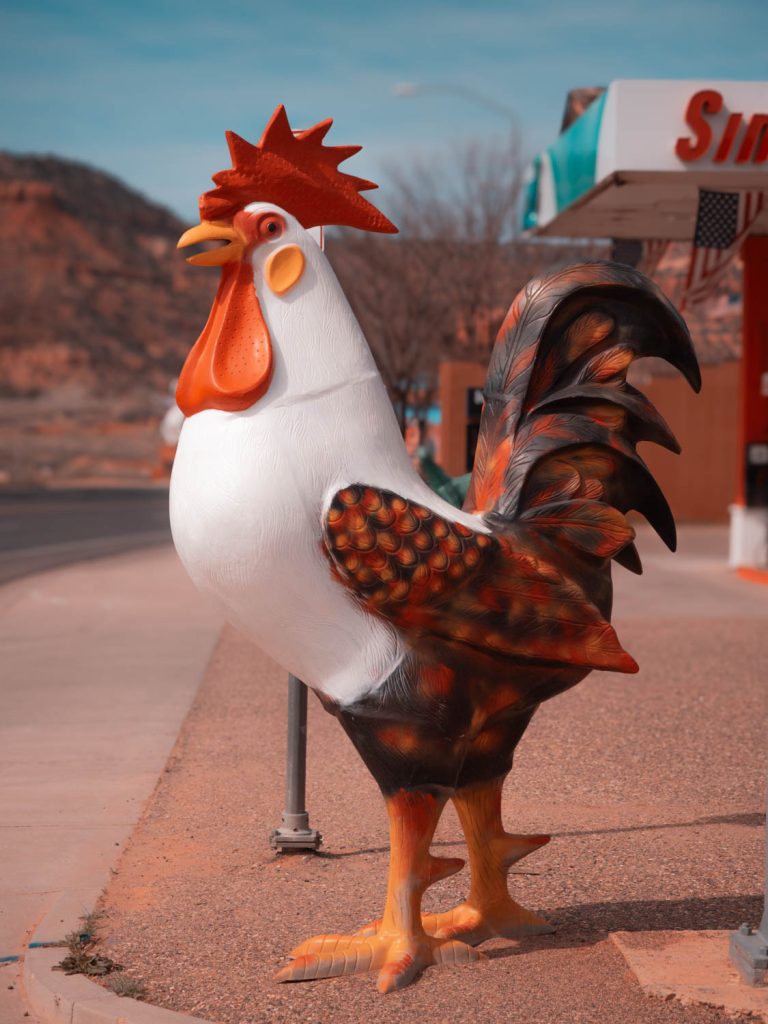
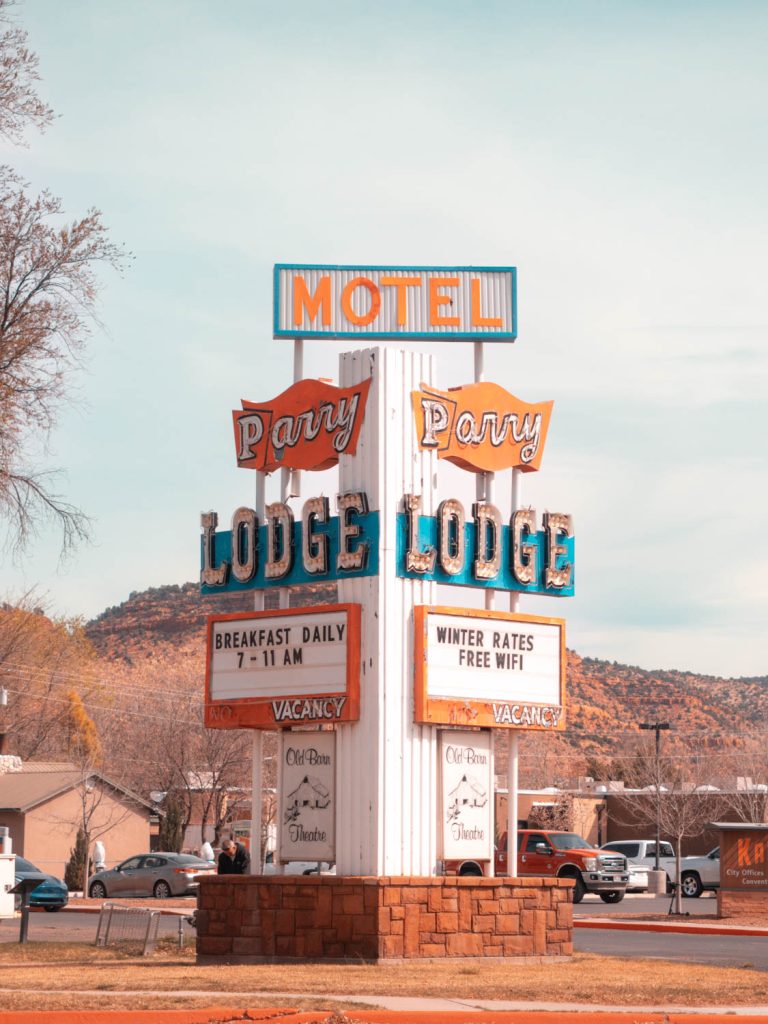
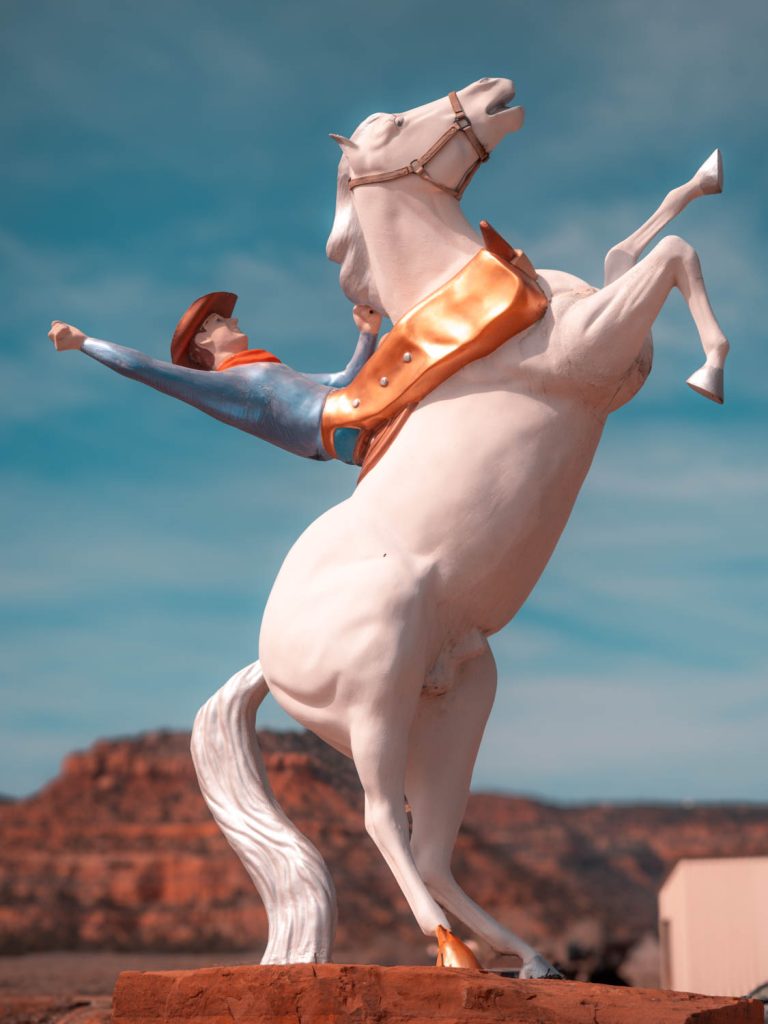
And on the drive back to Las Vegas, we took the northern route and stopped in Kanab, Utah—a small town full of character that offered plenty of unexpected photo opportunities. It’s now added to my growing list of places I want to revisit.
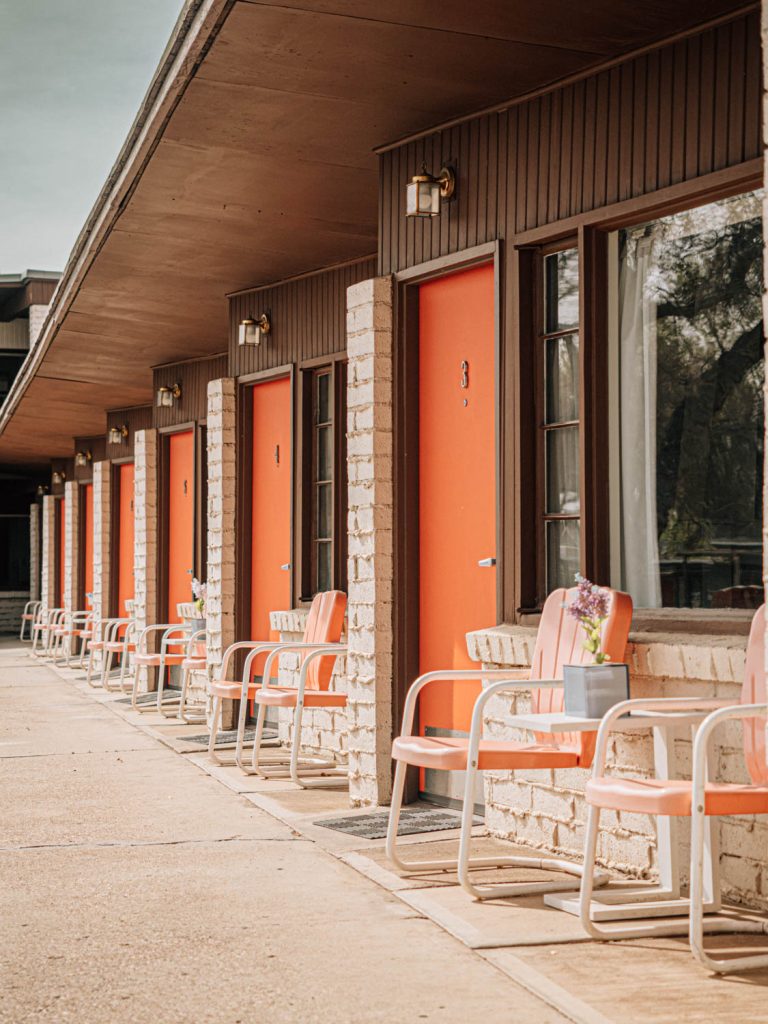
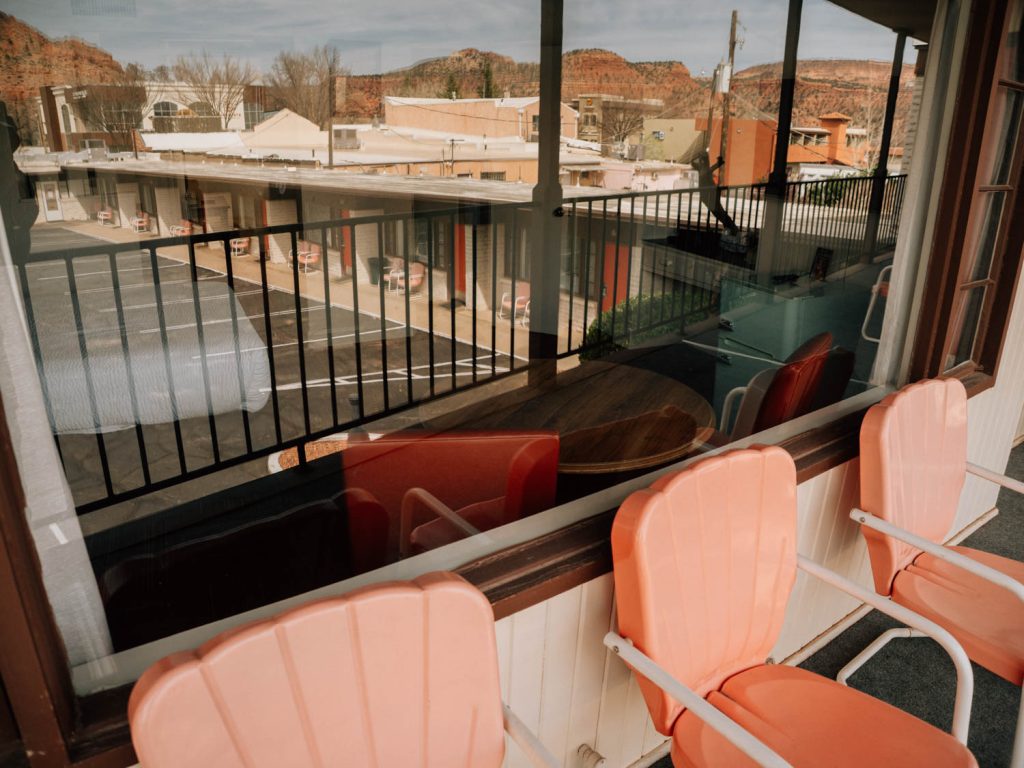
It was a short trip, but one that left me wanting more (which is exactly how a place like this should feel). I’ve heard fall is the best time for astrophotography here, so that may be the next adventure.
All in all, an incredible photography trip—and one I can’t wait to repeat.